


Technology and operational innovations are transforming how venues manage parking from arrival to departure.
By John Oglesby
Editor’s note: This article is the second of a two-part series on event parking by the author. The first article, titled “Top 10 Special Event Parking Challenges: An Operator’s Guide,” appeared on pages 26-28 of the October 2025 issue of Parking Today.
The way drivers travel to, park at, and leave from major venues is changing at a pace never seen before. For decades, parking was a simple utility, an operational necessity that had little influence on the overall guest experience. Today, that perception has shifted dramatically. Guests expect a seamless journey from the moment they leave their driveway to the moment they walk through venue doors. Parking operators are under pressure to deliver not just spaces, but service, to every fan, every guest, every time.
Parking is the first and last impression, and it sets the tone. A smooth arrival makes the entire event more enjoyable, while a frustrating ingress or chaotic departure can overshadow even the best event. Clients want fast entry that brings fans in early to shopping, food, and beverage opportunities. Venues and operators are adopting new technologies and strategies that prioritize efficiency, safety, and customer satisfaction to rise to these new expectations.
Below are 10 — plus one bonus — of the most significant parking and mobility trends shaping venue and event operations today and tomorrow:
1. Non-stop entry parking with license plate recognition
Fast entry parking is no longer just a concept; it’s quickly becoming the industry standard for venues of all sizes. With license plate recognition (LPR), the vehicle itself becomes the credential. Guests who have prepaid for parking drive in, have their plate scanned, and are granted access without stopping. For those paying on arrival, digital transactions link seamlessly to their vehicle’s plate number for payment upon parking.
The benefits extend beyond speed at the entry gate. LPR enables venues to invoice guests after an event if needed, eliminates bottlenecks caused by cashiers or scanners, and enables operators to reallocate staff from booths to customer service roles. Traffic keeps moving, stress is reduced, and a positive tone is set for the entire event experience. Clients value the data and trend information that is invaluable to them and to the operator.
2. Mapping integrations and wayfinding
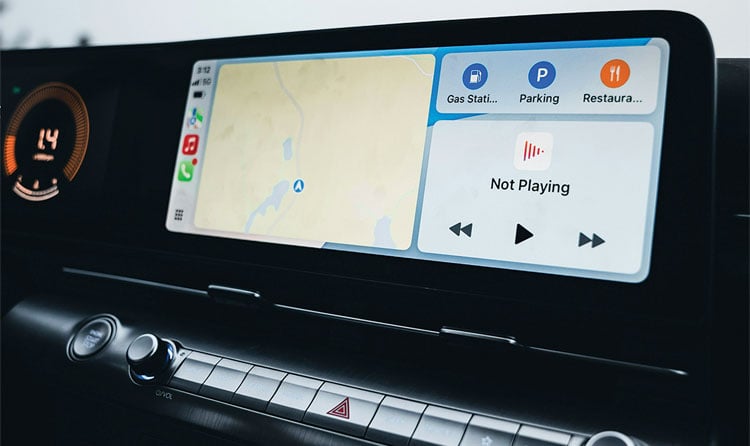
Guests rely on in-car navigation for nearly every trip. Venues are harnessing this behavior by integrating parking and traffic data into navigation platforms. When guests purchase parking in advance, they can opt into real-time navigation updates that take into account event-related road closures, detours, and traffic flow.
Consider the difference for two fans: Fan one leaves home at the wrong time, sits in bumper-to-bumper traffic, arriving late and frustrated. Fan two leaves at the optimal time, guided by updated mapping, and walks calmly into the venue for a pre-game beverage. This type of proactive information helps venues improve punctuality, reduce congestion, enhance air quality, accommodate more cars, and strengthen guest confidence.
3. Reservation integrations
“From home to dome” is becoming a mantra. Guests plan their entire journey in one step: buy their event ticket, secure parking, and get directions all in one transaction. This is now possible thanks to integrations among parking access and revenue control systems and ticketing platforms, as well as parking aggregators.
This integration benefits operators and guests. By selling spaces in advance, venues can forecast demand, optimize occupancy, and reduce the chaos of first-come, first-served arrivals. Reserved parking creates opportunities for premium pricing, such as closer spaces or expedited exit lanes, adding new revenue streams.
4. Rideshare best practices
Although rideshare has permanently changed mobility at events, rideshare drivers can create new headaches. Venues that adopt best practices use geofenced drop-off and pick-up zones, clear directional signage, and staffed staging areas for rideshare operations.
These measures reduce conflicts, ensure pedestrian safety, and keep traffic flowing despite road closures and egress surges. Guests who choose not to drive find that a well-managed rideshare program provides convenience, safety, and confidence, turning what could be a pain point into a seamless extension of the guest journey.
5. Staff parking credentialing
Staff parking is often overlooked, but on event day, it’s as critical as guest parking. Venues using technology enable staff to self-manage parking credentials through digital integrations.
This approach saves administrative time and ensures staff arrive on time and in the right place. When staff parking is smooth, employees focus on delivering excellent service to guests, benefiting the first and last experience for guests.
6. Data aggregators and dynamic pricing
Parking inventory has historically been siloed in multiple sales platforms, leading to inefficiencies and lost revenue. Companies like Ocra are solving this problem by consolidating presold inventory into unified dashboards. Operators see real-time sales data across Ticketmaster, SpotHero, ParkWhiz, and other channels in one place, enabling smarter decisions about pricing and allocation.
Dynamic pricing adds another layer of sophistication. By adjusting rates based on demand, operators incentivize early arrivals, stagger ingress times, and capture premium value for high-demand spaces. Parking is catching up to hotels and airlines, with substantial effect on guest satisfaction, client happiness, and operator profitability.
7. Inventory reconciliation and auditing
Accountability has always been a challenge in event parking. With thousands of vehicles entering and exiting within a few hours, it’s easy for counts and payments to become out of sync, enabling theft, or leakage as it is sometimes known. Modern camera systems and software provide precise, real-time vehicle counts that can be reconciled against payment and validation records by lane and employee.
This technology reduces revenue leakage, supports audit readiness, and builds investor confidence. When venues work with third-party operators, reconciliation ensures transparency and protects both revenue and reputation.
8. Staffing solutions
Event-day staffing is unpredictable, and high turnover and pay competition have increased the challenge. The rise of gig economy platforms now provides venues with flexible access to qualified labor. Operators can quickly scale staffing to match event size, bringing in attendants, traffic directors, and customer service representatives as needed.
This flexibility controls costs, reduces staffing crises, and ensures guests are met with friendly, capable staff from arrival to departure. In an industry where first and last impressions matter, the ability to staff effectively is a competitive advantage.
9. Guidance and wayfinding technologies
Once inside the facility, guests want to park quickly. Overhead sensor systems and dynamic signage now guide vehicles directly to available spaces, reducing the time spent circling. This improves the experience and reduces emissions, fuel use, and congestion in the garage.
Variable message boards add another layer of communication. Remotely controlled, they provide real-time instructions during exit, display event-specific messages, and promote future events. This dynamic communication transforms static signage into an interactive tool for guest management, safety, and operations.
10. Enhanced security solutions
Security is essential for guest confidence. Guests want their vehicles to be safe. Portable LPR trailers and mobile security towers provide operators with flexible surveillance, while LPR alerts are transmitted to law enforcement, ensuring protection.
If a stolen vehicle is detected, venues act quickly to protect the facility and its guests. These technologies deter criminals and build confidence among fans, families, and organizers. Security is about creating a safe environment and enhancing the event experience.
11. Looking ahead
Every one of these trends will accelerate to venues of all sizes, and eventually all types of parking operations. The smart parking operator and client work together to harness these technologies and take advantage of artificial intelligence and other new tools, while always remembering the fundamentals of parking.
These technologies and practices provide benefits to venues of all sizes. However, the philosophies in place make the guests’ first and last impression the key to success for every parking operation, in every situation.
The transformation continues
Parking and mobility are undergoing a transformation that is reshaping guest experiences. Parking is now a front-line factor in guest satisfaction, operational efficiency, and revenue generation.
By embracing these trends, venues and operators deliver a seamless experience that begins at the driveway and ends back home after a great event. Parking is an asset that is actually more complicated than ever before. The person who believes the future for parking operators is limited has apparently been driving around with their eyes closed. The industry has a bright future as operators continue to innovate, master the tools, and stay true to high expectations that build loyalty and create measurable financial returns for clients.
Parking, at best, is a non-event to a driving guest. Parking must never be the reason a guest remembers an event poorly. With the right strategies, technologies, and partnerships, parking sets the stage for an exceptional experience every time.
JOHN OGLESBY is the founder and CEO of The Parking Whisperer. He can be reached at [email protected]. He wishes to thank the teams, venue staff, and especially Mike McKeon of Premium Parking for assistance with this article.