


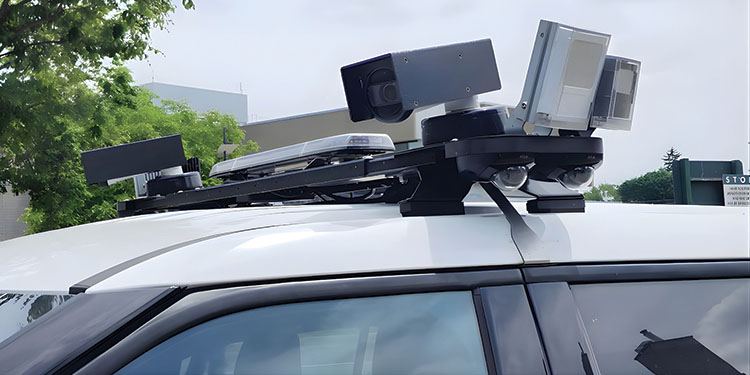
UCLA’s Center for Parking Policy bridges research and practice by offering technical assistance, documenting parking requirement impacts, and creating connections among researchers, cities, and practitioners advancing parking reform.
By Ellen Schwartz
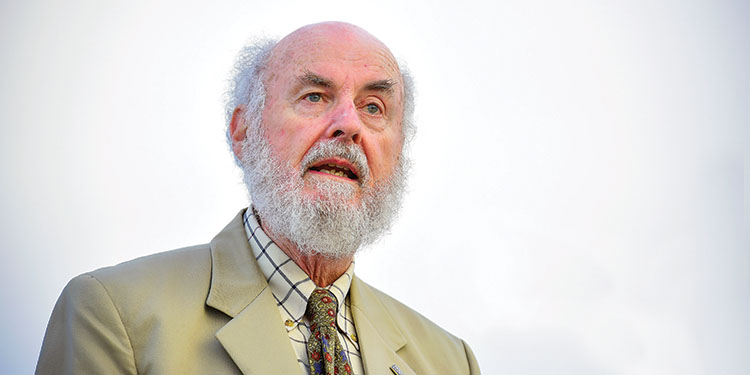
Donald Shoup, the late University of California, Los Angeles (UCLA) professor and author of the 2005 book “The High Cost of Free Parking,” pioneered the field of parking policy. Shoup showed how minimum parking requirements produce unintended consequences, such as encouraging driving, raising the cost of new development, and contributing to sprawl, and how pricing parking can better manage demand, keep spaces available, and generate revenue for cities. He also devoted significant effort to making his work and ideas accessible to a wider audience through clear writing, direct engagement, and a focus on practical reforms.
With generous support from the philanthropic organization Arnold Ventures and additional donors, the UCLA Center for Parking Policy was launched in 2025 to carry forward Shoup’s legacy of connecting parking research with wider audiences. The center highlights parking’s often-overlooked role in shaping cities, translates academic research into practical resources, fosters connections across the field, and provides targeted guidance to policymakers and practitioners.
From research to practice: A parking help desk
As more cities worldwide move to eliminate outdated parking mandates and rethink curb management, the center supports stakeholders, from city staff and elected officials to consultants, advocates, and parking professionals, navigating these evolving expectations.
Most notably, the center offers a parking help desk, which works directly with practitioners to understand their specific challenges and provide customized support, including:
• Practical guidance on parking policy options
• Research findings on parking requirements and curb management
• Case studies and stories of cities that have implemented parking reforms
By connecting practitioners with research-backed insights and relevant examples, the center aims to lower barriers to parking reform.
Parking policy resources
The center helps practitioners understand and act on the key takeaways from academic research. By documenting the costs and consequences of prevailing parking policies, the center’s issues briefs, research summaries, webinars, and other publications and events help public agencies considering a transition from mandated parking supply quotas to coordinated parking management.
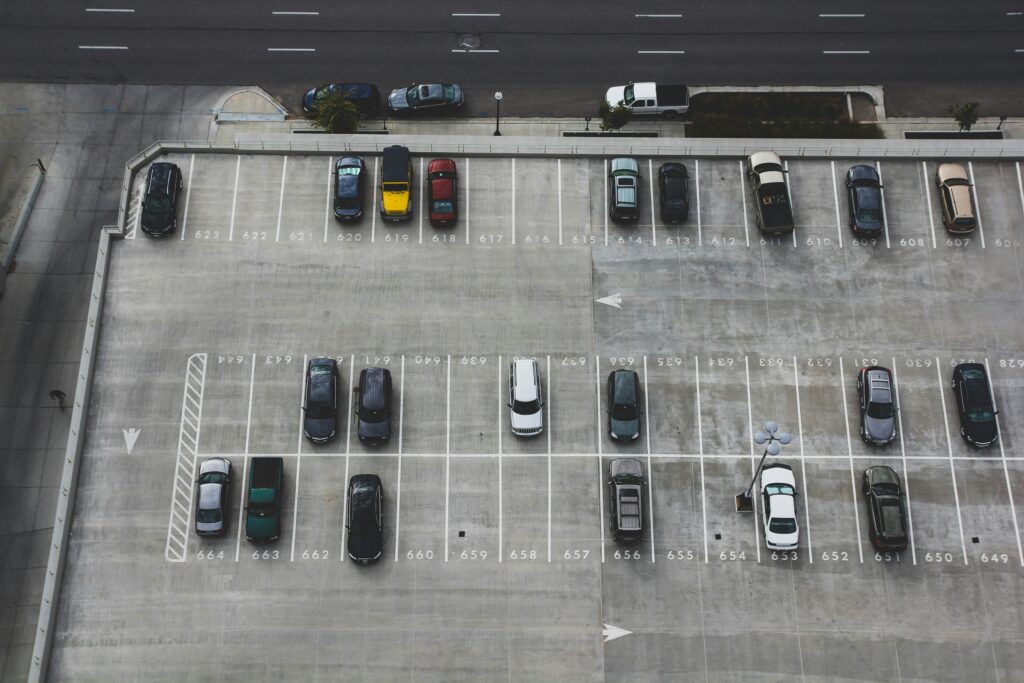
For example, the February 27, 2026, report titled “The Impacts of Minimum Parking Requirements: A Research Synthesis” summarizes the research on the impacts of parking infrastructure, the effects of minimum parking requirements in zoning codes, and early outcomes in cities that have repealed these regulations. The research shows that minimum parking requirements both constrain new development and contribute to an oversupply of parking infrastructure, which encourages car ownership and driving, reduces density, degrades urban design, and increases urban heat and stormwater runoff, among other effects. When cities eliminate minimum parking requirements, developers continue to provide parking, but often in lesser amounts, and drivers use existing parking more efficiently.
The February 11, 2026, report titled “No Such Thing as Free Parking: Construction Costs in 17 U.S. Cities” provides updated per-space parking construction cost estimates and calculates how minimum parking requirements in zoning codes drive up total construction costs across different types of buildings. The report finds that, since 2012, parking construction costs have risen about 50% faster than general inflation. On average, an underground parking space costs $73,000, and a space in an aboveground structure costs $52,000, excluding land costs.
These and the center’s other reports equip public officials with clear evidence on the far-reaching effects of minimum parking requirements in zoning codes and show how these regulations create higher costs and fewer development or re-development opportunities. Future publications will also advise parking management and implementation.
Convening the field
The center hosts events designed to support policymakers, practitioners, advocates, and researchers. These events create opportunities to share lessons, build relationships, explore new approaches, and advance conversations around parking reform.
Participants learn from research and real-world experiences to support better parking policy decisions. For example, a virtual mini-symposium convened leaders from cities that have eliminated minimum parking requirements to share insights and outcomes. Breakout sessions followed, giving participants the opportunity to ask questions and connect directly. In another event, researchers presented their work on how much land is devoted to parking, how that footprint is measured, and the opportunity cost of dedicating so much land to parking.
By connecting people across disciplines and geographies, the center helps participants build knowledge and supports the spread of effective practices.
Expanding the evidence base
The center has launched a Parking Research Collaborative for researchers to stay connected, share ideas, and advance the research agenda for parking policy. Through this initiative, the center also connects researchers with city staff, parking managers, and data providers to support new research on parking policy outcomes and the effectiveness of management strategies.
As more cities reform parking policies, the need grows to understand how these policies perform in practice. Over time, these collaborative efforts can contribute to a stronger evidence base and guide decisions on parking policy and management.
Down the road
Looking ahead, the center is curating a comprehensive resource library to serve as a definitive hub for parking policy knowledge, including research summaries, case studies, and implementation guidance designed to support practitioners at every stage of the policy process. It will also continue to develop publications, host events, and create a short course to support practitioners.
As cities across the country and around the world rethink how parking is regulated and managed, the UCLA Center for Parking Policy aims to support this shift by providing accessible resources, tracking and sharing insights on emerging parking policies, creating space to discuss challenges and explore innovative solutions, and serving as an independent source of information and technical assistance to policymakers and practitioners, continuing the legacy of Donald Shoup at UCLA.
The center also welcomes ongoing engagement from the broader parking community. Practitioners and others interested in parking policy are encouraged to connect, share their experiences and ideas, and stay informed by joining the center’s mailing list and LinkedIn groups.
ELLEN SCHWARTZ is the manager of the UCLA Center for Parking Policy. She can be reached at [email protected].