

By Jonah Bliss
Editor’s note: This article originally appeared on the website of The Curbivore and is republished here with permission.
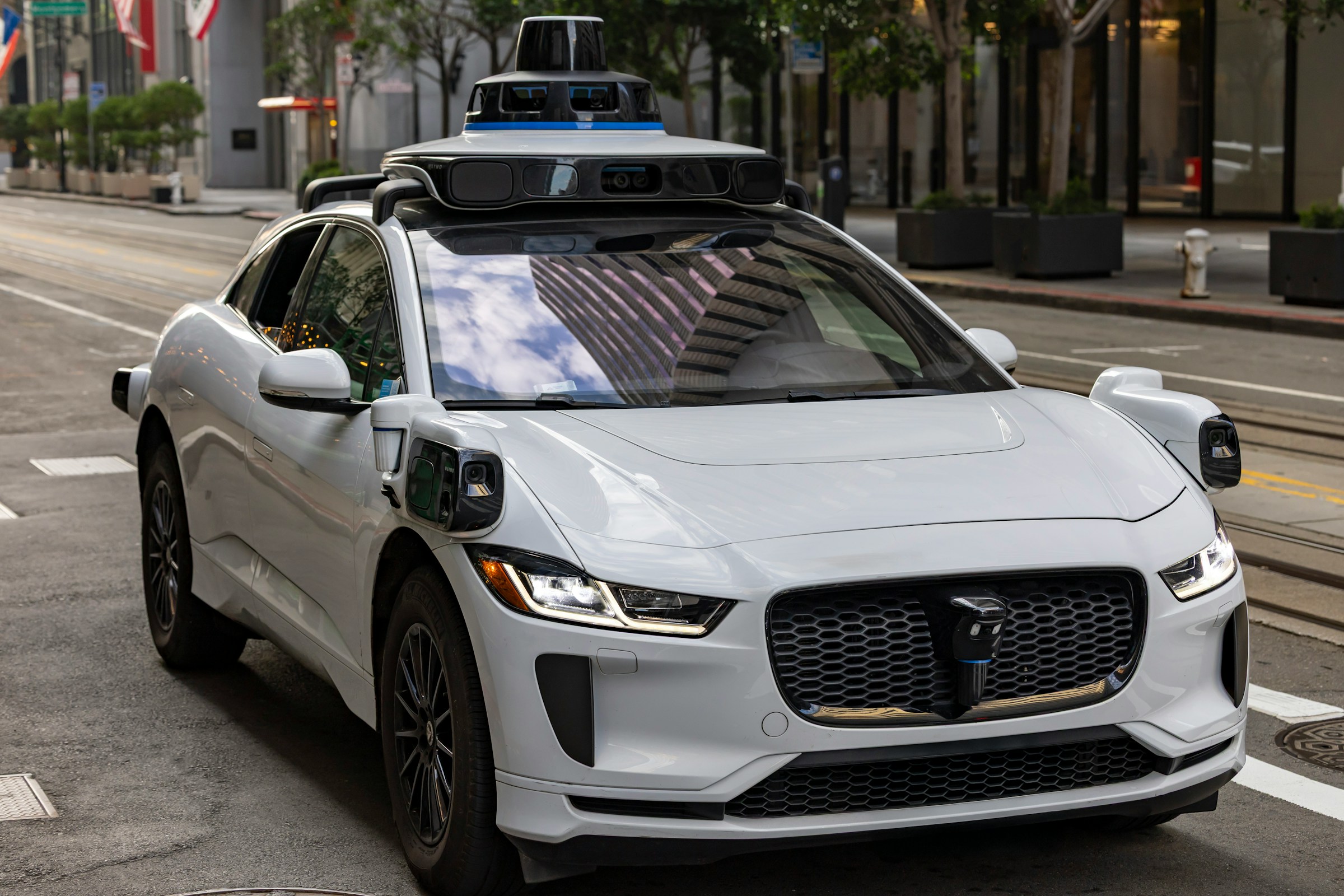
As robotaxis and autonomous vehicles (AVs) continue to take off, we hear a continuous chorus of boosters boasting this will mean “the end of car ownership.” Last week, Vay’s chief transportation officer, fresh off raising up to $410 million, claimed, “We are one step closer to replacing private car ownership with our on-demand, shared, driverless vehicles!” But if we look back at the previous waves of investment and adoption for shared mobility, it seems like the rise of AVs will simply mean more, not fewer, cars on the road.
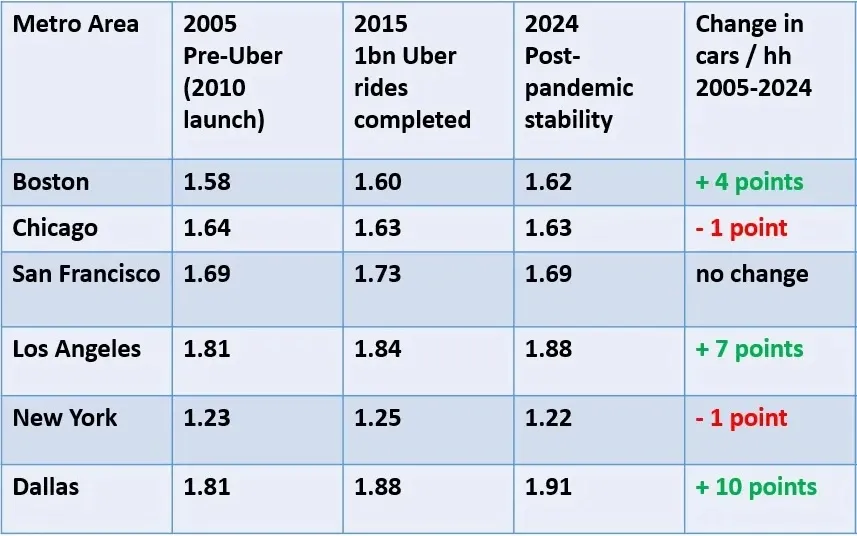
The great Glenn Mercer has kindly crunched the numbers of cars per household for a few major American metro areas — shown in the above graph — and the past twenty years of new mobility have simply led to more cars per household. 2005 was right when Zipcar and City Carshare were at the heights of expansion mode, bringing affordable carsharing to neighborhoods all over the coasts…even trying their darndest to make it work in the automotive meccas of the South and Midwest. And mea culpa, I was right behind them: When we launched Turo (née RelayRides) in 2010, we fully believed that sharing cars meant others in the neighborhood would forego owning their own. Here’s an ancient CNN article where we got some of our hosts to opine that they were using our service to ensure “fewer cars will be on the road.”
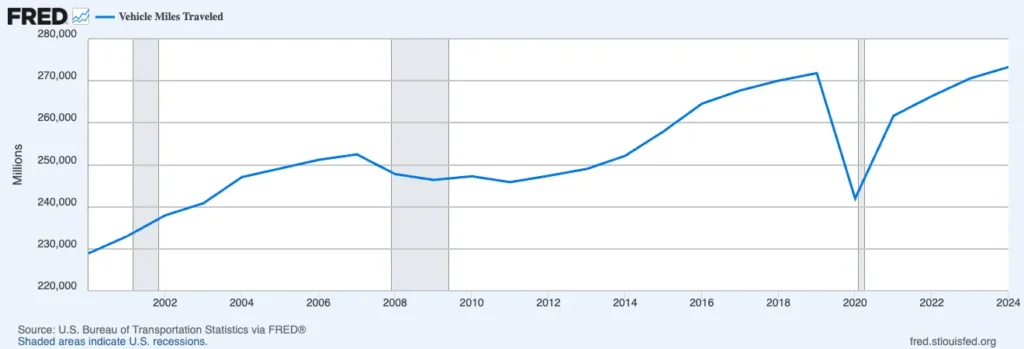
Next came Uber, Lyft and the ridehailing revolution. Remember how cheap those fares were back in the days of burning venture capital dollars to form new consumer habits? Even when Uber was offering “record-low rates,” people didn’t change their ownership habits. As shown in the following graph, the number of vehicle miles traveled kept climbing, but evidently that wasn’t just people shifting to being chauffeured, as car sales stayed steady too.
Why Would AVs Be Any Different?
If you’ve ever been in a robotaxi, you know that the first trip is mesmerizing, but by the second trip, it’s completely banal. They’re just cars! User behavior is the same as in a rideshare, with transit trips and walking more likely to be subbed out than car ownership. And even if the technology gets so good — and riders suddenly start behaving like their better selves — that the operating cost falls materially below that of an Uber or Lyft, the likely outcome is just going to be more trips, but not people abandoning their beloved SUVs and pickups (especially since the ubiquity of cheap parking means every car is effectively a subsidized storage space.)
I think it’s instructive to look at New York City, where car ownership fell a whopping one-ninth of 1% during the past twenty years. What did it take?
First, you’ve had the slow re-concentration of jobs away from the car-dependent burbs and back towards the transit-accessible core. While office parks in New Jersey and Long Island boomed in the second half of the 20th century, they’ve since atrophied.
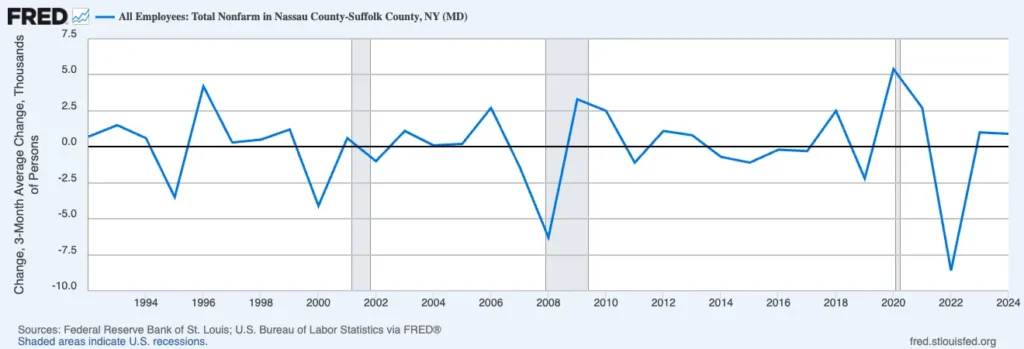
On top of that, tolling prices have continued to rise on the roads that criss-cross the Tri-state. Meanwhile, local inflation-adjusted household incomes have fallen, while motoring costs (insurance, maintenance, etc.) continue to rise. To sum it all up: fewer people can afford cars, and there are slightly fewer jobs that require a car to get to them. As usual, it’s not the technology: it’s policy and political outcomes. Expect AVs to be no different.
Jonah Bliss is the founder and CEO of Curbivore. He can be reached at [email protected].