

By Jade Neville
Despite being essential to mobility, the parking industry often remains at the edge of public appreciation. Every day, parking professionals ensure that cities function smoothly by keeping streets accessible, supporting local businesses, and enabling the daily routines of millions.
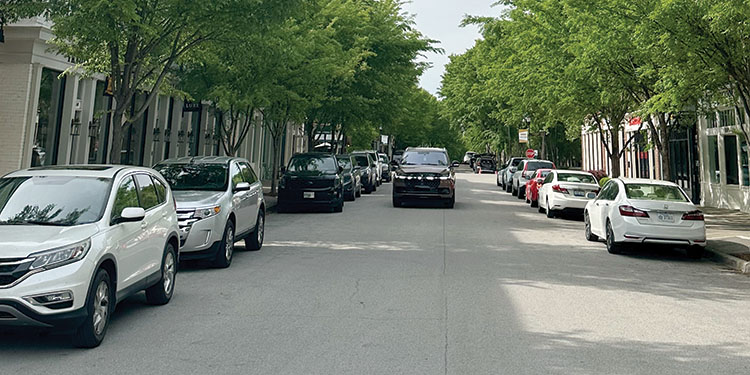
However, the narrative about parking is too often written by those outside our field. Outdated stereotypes linger, while the real complexity and community value of our work goes unnoticed. Media soundbites and viral stories tend to focus on the negative by highlighting disputes, fines, or isolated incidents and amplifying misunderstandings and leaving the public with a skewed impression.
It’s time to change that. If we want the world to understand the true impact and dedication of parking professionals, we must step forward and tell our
own story.
Why the image problem?
Parking is a profession that often operates in the background, its complexity and value hidden from everyday view. Most people only notice parking operations when something disrupts their routine: a ticket on the windshield, a full lot, or a confusing sign. Rarely seen are the countless hours spent planning for major events, the careful coordination required to keep emergency routes clear, or the thoughtful accommodations made for vulnerable members of the community.
The expertise within our field is broad and deep: engineers who design systems to improve safety and accessibility, officers who act as first responders in moments of crisis, and managers who juggle shifting regulations, technology upgrades, and public expectations. Although fundamental to urban life, these efforts seldom make headlines or trend on social media.
When the parking industry’s voice is absent, misconceptions fill the void. The risk isn’t just a bruised reputation; it’s a missed opportunity to foster public trust, attract new talent, and drive innovation. Without our input, the narrative can become distorted, focusing on penalties and enforcement rather than the positive effect parking professionals have on communities. This silence can erode morale within the profession and make it harder to advocate for the resources and recognition the industry deserves.
The power of humanizing narratives
It’s time to flip the script. Our sector is full of remarkable people whose stories deserve to be heard. Authentic storytelling can bridge the gap between perception and reality.
Take, for example, the “We Are ParkIndy” campaign in Indianapolis. Rather than focusing solely on enforcement or operations, ParkIndy ran a campaign to spotlight the real people behind the uniforms. It did this by introducing parking ambassadors, technicians, and support staff as parents, veterans, artists, and neighbors. Their stories, shared through the campaign’s website and social media, highlight moments of kindness, quick thinking, and community service that might otherwise go unnoticed. This approach not only helps humanize parking professionals in the eyes of the public but also fosters a sense of pride and connection within the team itself.
However, we can also make changes and start small by telling our own stories. Platforms like LinkedIn, local media, and industry events offer opportunities for every parking professional to share their experiences and insights. When we put people at the heart of our narrative, we help the public see parking not as a faceless system, but as a community of individuals committed to making cities safer, fairer, and more accessible for all.
The effects of telling our story
When parking professionals speak up, the effect goes far beyond reputation. A stronger public voice helps build trust, attract talent, and drive innovation. By sharing our stories, we invite the public to see the human side of our work, one that’s rooted in service, safety, and community care.
Instead of viewing parking enforcement as punitive, communities begin to see it as a tool for fairness, accessibility, and urban wellbeing. This shift in perception can lead to more constructive dialogue, better compliance, and stronger partnerships with local stakeholders.
Talent attraction is another key benefit. When we showcase the diversity, complexity, and effect of roles within parking, we open the door to new professionals who may never have considered this career path. From tech-savvy engineers to empathetic frontline officers, our sector benefits when it reflects the communities
we serve.
Innovation thrives in environments where ideas are shared and voices are valued. By amplifying our experiences, challenges, and successes, we create space for collaboration and continuous improvement. Whether it’s through smarter technology, inclusive design, or community-led initiatives, storytelling can spark the kind of progress that benefits everyone.
Increasingly, these stories are finding their way into public forums, sometimes through industry events, articles, or even podcasts like “Parking Live.” Hosted by Matt Darst and me, the podcast explores the systems, policies, and people influencing the future of parking and urban mobility. Each episode features conversations with practitioners and thought leaders, delving into topics such as frontline officer welfare, technology, design, and the everyday realities of the profession. In this way, the podcast helps surface the voices and ideas that are often overlooked, contributing to a more informed public dialogue about parking.
Advocacy starts now
The credibility gap won’t close on its own. It’s up to us as parking professionals to bridge it by showing the public who we really are and what we truly do. This can begin with everyday conversations, shared experiences, and the courage to speak up.
Whether you’re an officer on the frontline, a planner behind the scenes, or a leader shaping policy, your voice matters. By sharing our stories, we not only challenge outdated perceptions, but we also build pride within our teams, inspire future professionals, and strengthen our role in the communities we serve.
Jade Neville is a director for the Alliance for Parking Data Standards (APDS), technology representative on the Council of Representatives at the British Parking Association, and the sales operations and marketing manager for Trellint. She can be reached at [email protected].