



By Jade Neville
I’ve always been fascinated with the hidden potential of our city streets, particularly the curb side — a space too often overlooked, yet absolutely critical to urban life. I view the curb not merely as a strip for parking but as a dynamic asset that, when managed with insight and care, could transform our urban environment.
A fresh perspective on the curb side
When most people picture the curb side, they imagine rows of parked cars or a busy corner where cyclists, pedestrians, and vehicles converge. However, the curb side is far more than a simple parking strip. It is where the pulse of the city can be felt — where commerce meets daily life.
Cities such as Chicago and Washington, D.C., have demonstrated that with a touch of ingenuity and a good deal of data, it is indeed possible to ease congestion, bolster safety, and create streets that are more enjoyable to traverse.
The limitations of traditional approaches
I have seen firsthand the frustration that arises from outdated curb management systems — systems that rely on rigid, static data that do not reflect the fluidity of modern urban life. Often, these methods are based on decisions made long before our cities assumed their current vibrancy, leaving municipalities to wrestle with yesterday’s rules in today’s fast-paced mobility landscape.
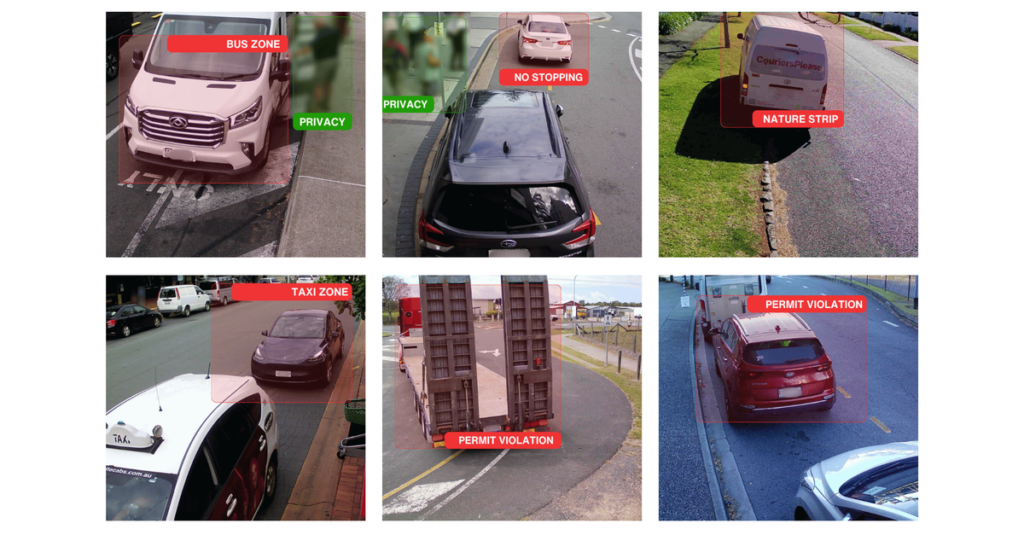
Imagine navigating a busy intersection with clearly marked lanes that no longer suit the mix of vehicles and pedestrians present. That’s the predicament when curb side management fails to evolve. The result is conflict: Delivery drivers inadvertently block bus stops, rideshares hinder cyclists, and residents find themselves competing with commercial vehicles for precious space. Without a flexible, data-informed approach, we are, in effect, trying to force square pegs into round holes.
Data science: A game-changer for urban mobility
I am firmly convinced that data science holds the key to a more harmonious urban future. By gathering information from parking meters, traffic sensors, enforcement systems, and even mobile applications, cities can gain a clear picture of how their curb side spaces are utilized.
The journey begins with data wrangling, bringing together disparate data sources, cleaning and structuring the information, and ultimately analysing it to detect patterns and identify inefficiencies. In my experience, the real breakthroughs occur when we prioritize data quality over quantity. It is far more beneficial to have reliable, well-contextualized data than to simply have an abundance of numbers without clear meaning.
One idea that has particularly struck me is the realization that effective curb side management does not require placing sensors on every corner. Techniques such as temporal and spatial sampling can deliver an impressively accurate snapshot of curb activity without necessitating extensive, costly infrastructure. This method not only cuts expenses but also addresses concerns around privacy and environmental impact — a genuine win-win.
A human-centered approach to technology
Of course, the promise of data and technology is only part of the story. It is the human element that truly breathes life into these solutions. This is precisely why I advocate for a human-centered approach to curb side management. Engaging directly with community members, local officials, and industry stakeholders ensures that the solutions we develop genuinely reflect the needs and aspirations of those who use the curb. Moving away from one-size-fits-all policies, we can craft flexible, context-sensitive strategies that accommodate the unique rhythms of different neighborhoods and times of day.
In areas where temporary interventions, such as dynamic signage or flexible loading zones, have been trialed, the feedback from local communities has been invaluable. These experiments not only provide critical insights but also build a foundation for adaptive policies that evolve in step with urban needs.
Turning data into actionable policies
One of the most exciting developments in urban management is the translation of data insights into real-world, actionable policies. Modern dashboards and visualization tools have revolutionized the way we approach curb side management, enabling city officials to identify trends at a glance, whether it’s a sudden spike in demand or the subtle ebb and flow of parking turnover.
I find it particularly poignant that these tools can be utilized for automated compliance systems. Picture a scenario where digital permits and real-time enforcement work in unison, ensuring that loading zones are utilized correctly — a system that not only frees up resources but also enhances overall safety. This is not a distant vision; it is a reality in cities that have embraced these strategies.
Moreover, predictive models are proving to be an essential part of the conversation. They enable us to anticipate future needs by forecasting changes in curb demand. This proactive approach equips cities to plan ahead, fostering long-term urban resilience.
The virtue of continuous learning
What I appreciate most about data-driven approaches is their inherent adaptability. Unlike static policy documents, these systems are designed to learn and evolve continuously. Every new data point offers an opportunity to refine models, test new hypotheses, and fine-tune policies. This dynamic feedback loop is crucial in ensuring that strategies remain responsive to the ever-changing urban landscape.
Looking to the future: A vision for smarter streets
As our cities continue to grow and evolve, the pressure on curb side spaces will only intensify. Yet, I remain optimistically convinced that by embracing a data-driven, human-centered approach, we can turn these challenges into opportunities. Effective curb side management is not merely about reducing congestion or streamlining logistics: It’s about creating a more livable, inclusive, and resilient urban environment.
When we treat the curb as a strategic asset rather than an afterthought, we unlock a host of benefits, ranging from enhanced safety to improved economic vitality.
I envision a future where technology and empathy work hand in hand. By investing in high-quality data, sustainable collection methods, and thoughtful, inclusive design, we can transform our city streets. It’s not an overnight fix, but rather a journey marked by continuous improvement.
From chaos to coordination
Ultimately, the choice is clear. We can persist with outdated methods that treat our curb side spaces as static, underutilized assets, or we can embrace a future where every inch of urban space is optimized through smart, data-informed strategies.
By focusing on quality data, sustainable practices, and human-centered design, we can convert the seemingly chaotic curb side into a well-organized, efficient asset that benefits everyone. The curb is not merely the edge of the street: It is the frontline of urban innovation. With the right approach, it can become a model for smarter, more resilient cities everywhere.
JADE NEVILLE is the sales operations and marketing manager for Trellint, a co-founder of Women in Parking UK, and a former president of the British Parking Association. She can be reached at [email protected].