
By Katherine Beaty
In their 1973 hit song “Ooh La La,” the band Faces sang, “I wish that I knew what I know now when I was younger.” Reflecting on my tenure as a parking operator, I see the relevance of this lyric, particularly when it comes to safety and security.

In the past, we relied mainly on security staff, surveillance cameras, lighting, and personal judgment, measures that tended to be reactive. Driven by artificial intelligence (AI), today’s security introduces real-time behavioral analysis, automated anomaly detection, and prompt alert systems. These advancements enable proactive intervention, increasing the chances of preventing incidents such as theft, assault, and suicide, rather than only documenting them after they occur.
From passive surveillance to proactive intervention
Early on, camera systems recorded but didn’t prevent, and guards could only patrol limited areas. Security responses depended on being in the right place at the right time or receiving a call.
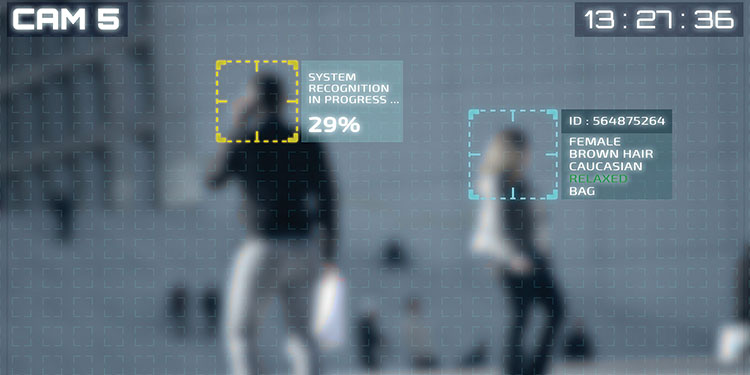
Now, AI cameras analyze live behavior, spotting loitering, pacing, or unusual movements, enabling teams to respond before an incident occurs, not just after.
The stakes: crime in parking facilities
Parking facilities are consistently listed among the most dangerous locations for criminal activity. These crimes go beyond simple theft. Sometimes, they become much more serious. I saw this firsthand in my career, in the form of two tragic assaults, one in a hospital lot and another at a college. By the time anyone noticed, it was already too late. If we’d had AI to spot unusual behavior, security could have responded right away and maybe stopped these tragedies.
Suicides: a silent threat in garages
Suicide is another issue that doesn’t get talked about enough in our industry. Sadly, parking garages are often the scene of these attempts. During my 27 years in the field, I’ve seen six such incidents. That’s six times too many.
Garages, with their open sides, upper-level drops, and relative anonymity, are particularly susceptible. In its 2019 report “Suicide in Parking Facilities: Deterrence, Response, and Recovery,” the International Parking & Mobility Institute (IPMI) notes that many structures have minimal barriers and easy access to ledges, making them frequent locations for suicide attempts.
The problem is not theoretical. At one parking deck in Charlotte, North Carolina, eight suicides occurred during several years, prompting advocates to post signs reminding visitors, “You’re not alone.” Suicide deterrence experts emphasize that simple barriers, railings, and visible signage can save lives.
AI can detect behavioral indicators of suicide risk, like pacing near ledges or lingering on upper levels, alerting security immediately for a quick response. However, facilities must address ethical concerns by being transparent, using data solely for safety purposes, and upholding all applicable privacy laws.
Why AI is a game-changer for parking
So, why is AI so transformative in the parking and security industry?
• Early detection of suspicious behavior: AI identifies suspicious patterns before incidents occur, such as loitering, following, or testing door handles.
• Reducing false alarms: Old motion detectors often overwhelm staff with false alarms triggered by things like shadows, animals, or weather conditions. AI can filter out these distractions and focus on real risks.
• Cost-effective coverage: Remote guarding with AI enables broader coverage without requiring staffing at every location 24/7. A monitoring center can effectively supervise multiple facilities.
• Protecting the vulnerable:Whether it’s patients in hospitals, students on campuses, or individuals in emotional crisis, AI-enabled monitoring creates safer environments.
The human element: AI and people together
AI isn’t a replacement for people; it enhances their abilities. Cameras provide data, but when paired with skilled security staff, they detect and facilitate responses to problems more quickly and effectively.
Human security personnel possess essential qualities, including judgment, empathy, and the ability to exercise authority during critical incidents. By contrast, AI technologies facilitate continuous monitoring and can detect subtle behavioral patterns or anomalies (such as unattended objects or loitering in less visible areas) that might escape human observation.
For example, when AI-powered surveillance detects repeated pacing near an upper-level ledge, it can immediately alert security staff, who then apply their professional judgment and interpersonal skills to assess and defuse the situation in person. This cooperation between human expertise and AI-driven analysis yields a more comprehensive and practical security framework, enhancing the safety of parking facilities beyond the capabilities of either component operating independently.
Looking ahead
The parking industry has always been about more than cars. It’s about people, safety, and trust. Customers want to know that when they park at a hospital, university, or downtown garage, both they and their property are safe. Increasingly, it’s also about providing a safety net for individuals in crisis.
AI-powered security is helping us get there, with more intelligent cameras, proactive alerts, and faster responses. As technology improves, we’re finally closing the gap between what we once wished for and what is now possible.
When I hear that Faces lyric, “I wish that I knew what I know now when I was younger,” I think of my career and of the lives that might have been protected if this technology had existed back then.
KATHERINE BEATY is the CEO and president of Beaty Solutions. She can be reached at [email protected].