
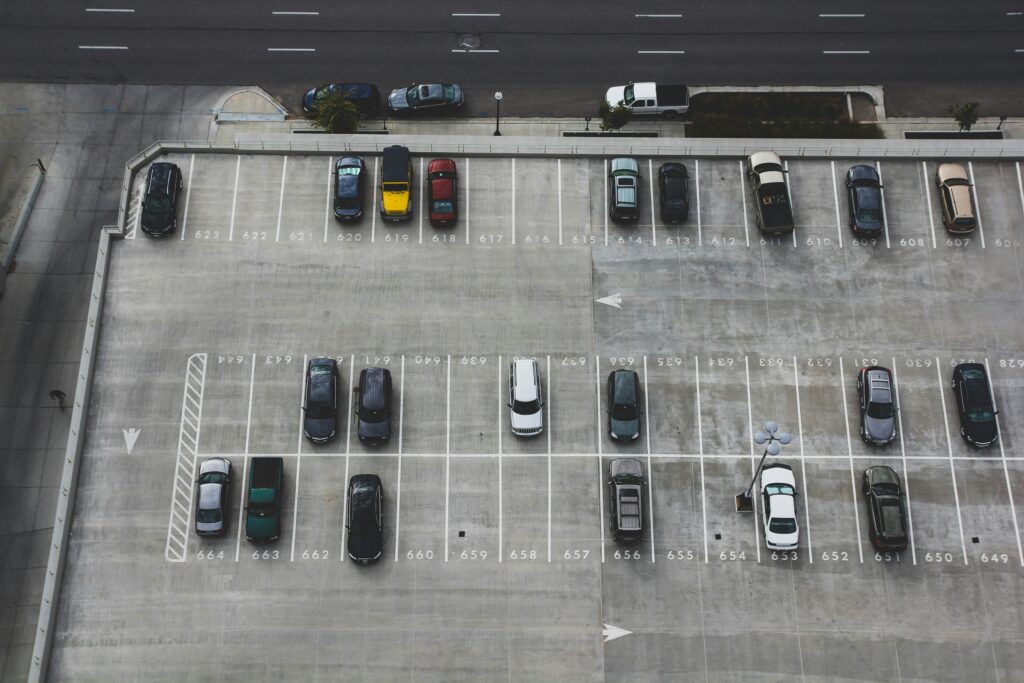



The emerging trend toward gateless parking prioritizes clarity, flexibility, and public trust over mechanical control systems.
By Ken Smith
Municipal parking is undergoing a fundamental transformation.
For decades, gates symbolized control. Tickets were issued at entry, payments were made at exit, and hardware protected revenue. That model worked for a time. But as cities modernize infrastructure, digitize services, and prioritize user experience, many are rethinking whether physical barriers are still the best solution.
Across the country, municipalities are shifting toward free-flow, gateless parking systems. This transition is not simply about removing equipment. It reflects a deeper operational shift toward transparency, flexibility, and an education-first compliance philosophy.
New standard
The new standard is emerging not because gates failed, but because cities are demanding more from their parking systems.
Traditional gated garages require significant capital investment, ongoing mechanical maintenance, and dedicated staffing. By design, gated systems are dependent systems: They rely on machinery working perfectly, attendants being present, and customers knowing exactly how to interact with the equipment. Any gap in that chain creates friction. Equipment downtime can disrupt revenue collection. Entry and exit congestion frustrates drivers. Hardware limits the ability to adapt pricing dynamically or segment space usage efficiently.
Gateless systems, by contrast, function as independent systems. Without mechanical dependencies to manage or equipment interactions to navigate, operators and customers alike experience a cleaner, simpler, more reliable model; one where ease is built into the foundation rather than bolted on as an afterthought.
At the same time, public expectations have changed. Residents now expect mobile access, real-time information, and seamless digital experiences in nearly every aspect of city life. Parking is no exception.
Control without physical restrictions
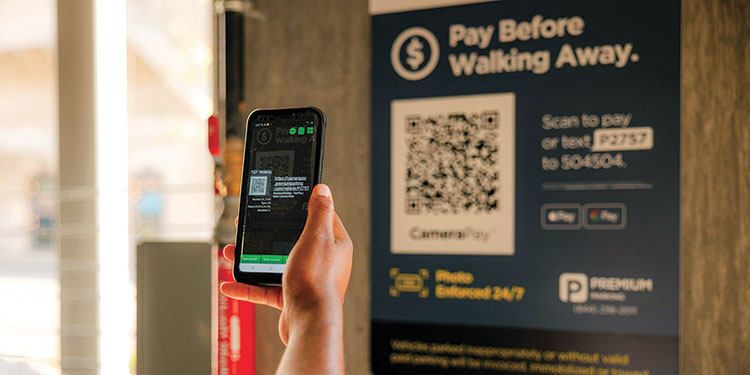
Free-flow systems, powered by license plate recognition, mobile and text-to-pay platforms, and real-time validation, enable cities to maintain control without physical restrictions. Vehicles move freely. Payment is verified digitally. Enforcement becomes data-driven rather than barrier-driven.
In this environment, control is achieved through intelligence rather than infrastructure.
The move toward gateless parking is largely a response to recurring municipal challenges. Revenue leakage remains a concern in legacy systems where enforcement gaps or equipment failures reduce collection accuracy. Adoption hurdles persist when parking systems do not align with how people prefer to pay. Enforcement inconsistencies create both operational strain and public dissatisfaction. Perhaps most critically, unclear communication or surprise billing models can erode public trust and create political risk.
Municipal parking operates in a public policy environment. It must withstand scrutiny from residents, elected officials, and administrative leadership. Any modernization effort must therefore balance financial performance with fairness and transparency.
Municipal success stories
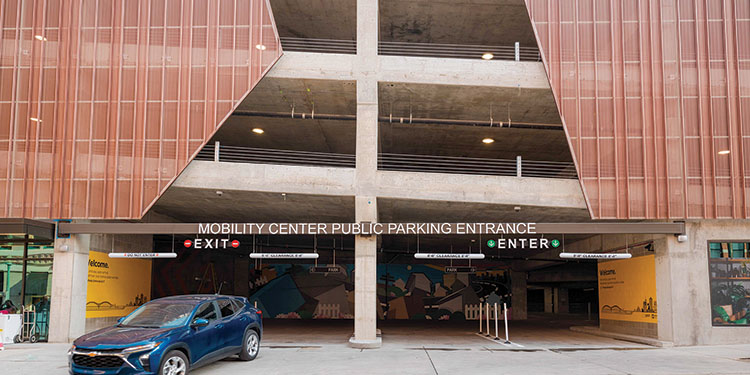
In Cincinnati, a large-scale transition to free-flow garage operations has demonstrated that gates are not required to protect revenue. Through clear signage, mobile engagement, and segmented space management, the city has maintained operational control while improving customer flow and reducing congestion during peak periods.
In Memphis, managing parking across multiple municipal layers required flexibility rather than a rigid platform. By aligning mobile payments, enforcement validation, and centralized reporting within a unified operational framework, the city has been able to support varied facility types without sacrificing consistency.
In West Haven, Connecticut, smaller-scale modernization has shown that gateless deployment can deliver scalable compliance without the financial burden associated with replacing traditional parking access revenue control systems infrastructure.
Education-first compliance
The most significant shift in municipal parking is not the removal of gates. It is the evolution of compliance strategy.
Education-first compliance focuses on clarity. Signage is visible and intuitive. Payment options are accessible through mobile, text, or QR code interfaces. Drivers understand when and how to pay. Enforcement is supported by real-time validation tools, and escalation procedures align with municipal code.
Rather than relying on surprise billing or opaque processes, education-first models encourage voluntary compliance. When expectations are clear and payment is simple, friction decreases. Disputes decline. Administrative burdens are reduced. Public confidence improves.
An evolving landscape
Cities are increasingly seeking solutions that adapt to local policy, asset mix, and community expectations rather than forcing rigid platforms into place.
Gateless parking is no longer experimental. It is quickly becoming the municipal standard. But the transition is not about removing hardware. It is about removing friction and strengthening public trust.
In this evolving landscape, operators that blend real-world municipal experience with adaptable technology are demonstrating how free-flow parking can protect revenue, enhance compliance, and improve the overall parking experience without sacrificing accountability.
KEN SMITH is vice president, municipal, for Premium Parking. He can be reached at [email protected].