



By Steve Gorski
For years, parking guidance solutions have been viewed as a luxury, an optional enhancement rather than a necessity. But at the recent International Parking and Mobility Institute (IPMI) Expo 2025 in Louisville, Kentucky, the industry sent a clear message: The era of parking guidance as a “nice-to-have” is over. Operators, municipalities, and developers now recognize that smart guidance systems are essential for optimizing parking operations, improving customer experience, and driving revenue.
At the Kentucky International Convention Center, the energy was real. Conversations weren’t just about the latest technologies. They were about real-world implementation. Parking professionals weren’t asking whether guidance systems were worth the investment, but how soon they could integrate them into their operations.
Several key factors have driven this shift:
- Operational efficiency: Parking guidance reduces congestion, improves turnover rates, and maximizes space utilization.
- Customer experience: Drivers expect seamless navigation, and frustration-free parking increases satisfaction.
- Revenue optimization: Smarter parking management leads to better pricing strategies and increased occupancy rates.
- Sustainability goals: Reducing vehicle idling and circling cuts emissions, aligning with green initiatives.
Technology that’s driving adoption
One of the most discussed topics at the expo was how parking guidance systems have evolved beyond traditional static signage and simple occupancy indicators. The industry is now embracing:
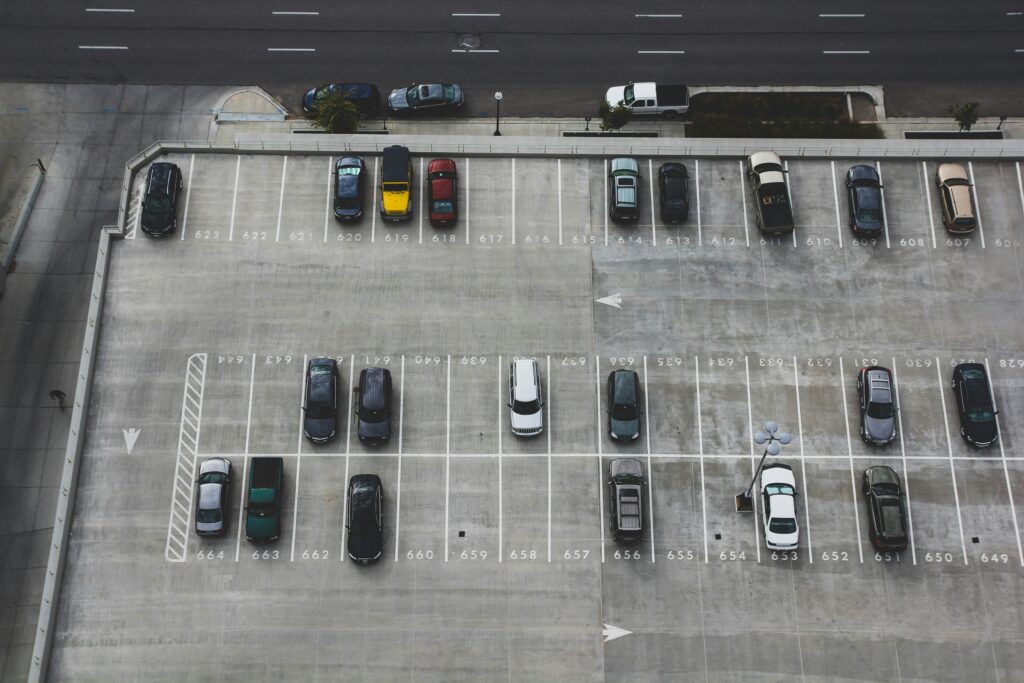
- Space-specific detection using ultrasonic sensors and camera-based monitoring
- Dynamic signage that updates in real time based on demand
- Internet-of-Things-driven analytics that provide operators with actionable insights
These advancements make parking guidance solutions more scalable, adaptable, and cost-effective, ensuring they align with the varied needs of urban and private parking facilities.
Case studies that prove the value
Several success stories shared at the expo reinforced the necessity of parking guidance:
- Airports have streamlined operations by integrating space-specific detection and predictive analytics.
- Hospitals have improved patient and visitor parking efficiency with real-time occupancy data.
- Municipal garages have adopted smart signage to guide drivers seamlessly, reducing congestion in high-demand areas.
These examples demonstrate that guidance systems aren’t just about convenience: They directly affect operational success.
What’s next for parking guidance?
The momentum from IPMI Expo 2025 suggests that parking guidance will continue evolving in several ways:
- Artificial intelligence and predictive analytics: Systems will anticipate demand and adjust availability dynamically.
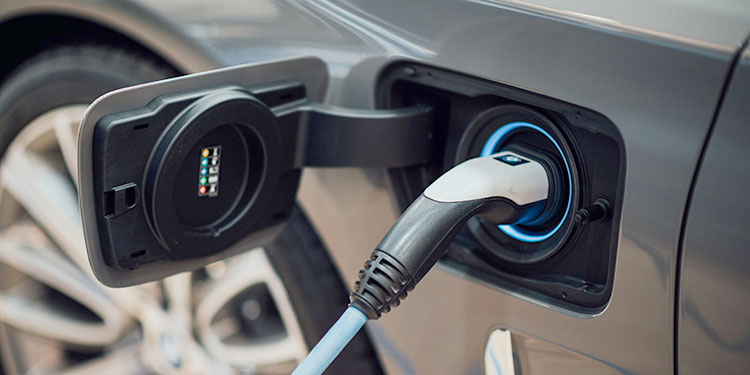
- Integration with mobility platforms: Parking guidance will sync with ride-sharing, electric vehicle charging, and public transit.
- Enhanced user interfaces: Mobile apps and digital signage will provide real-time updates for drivers.
- Sustainability metrics: Operators will track environmental impact and optimize parking for reduced emissions.
Final thoughts
The industry has spoken: Parking guidance is no longer optional — it’s essential. As cities grow, mobility evolves, and customer expectations rise, smart parking solutions will be the backbone of efficient operations. The discussions at IPMI Expo 2025 weren’t just about technology. They were about reshaping the future of parking.
Steve Gorski is vice president of Portier USA. He can be reached at [email protected].