



By Katherine Beaty
Editor’s note: This is the third in a series of articles by the author about human trafficking and the ways in which the parking industry can help combat it. The first article appears here and the second appears here.
The first two articles in this series established two critical truths: Human trafficking is real and documented, and parking facilities are not trafficking hotspots.
Both statements can be true at the same time.
Understanding where parking and mobility environments intersect with trafficking (rarely, situationally, and often indirectly) is essential for defining an appropriate, evidence-based role for the industry.
This article focuses on those intersections, why they matter, and how responsibility differs among operators, vendors, and hotel partners.
A necessary reset: intersection is not causation
Before we examine specific environments, one distinction must remain clear: Parking facilities are not causes of trafficking. Rather, they are sometimes adjacent to or embedded within the broader systems traffickers use.
When parking appears in trafficking-related cases, it is most often:
- Transitional
- Incidental
- Opportunistic
These are edge cases, not the norm. That said, ignoring edge cases entirely creates blind spots.
Truck stops and rest areas: A different category entirely
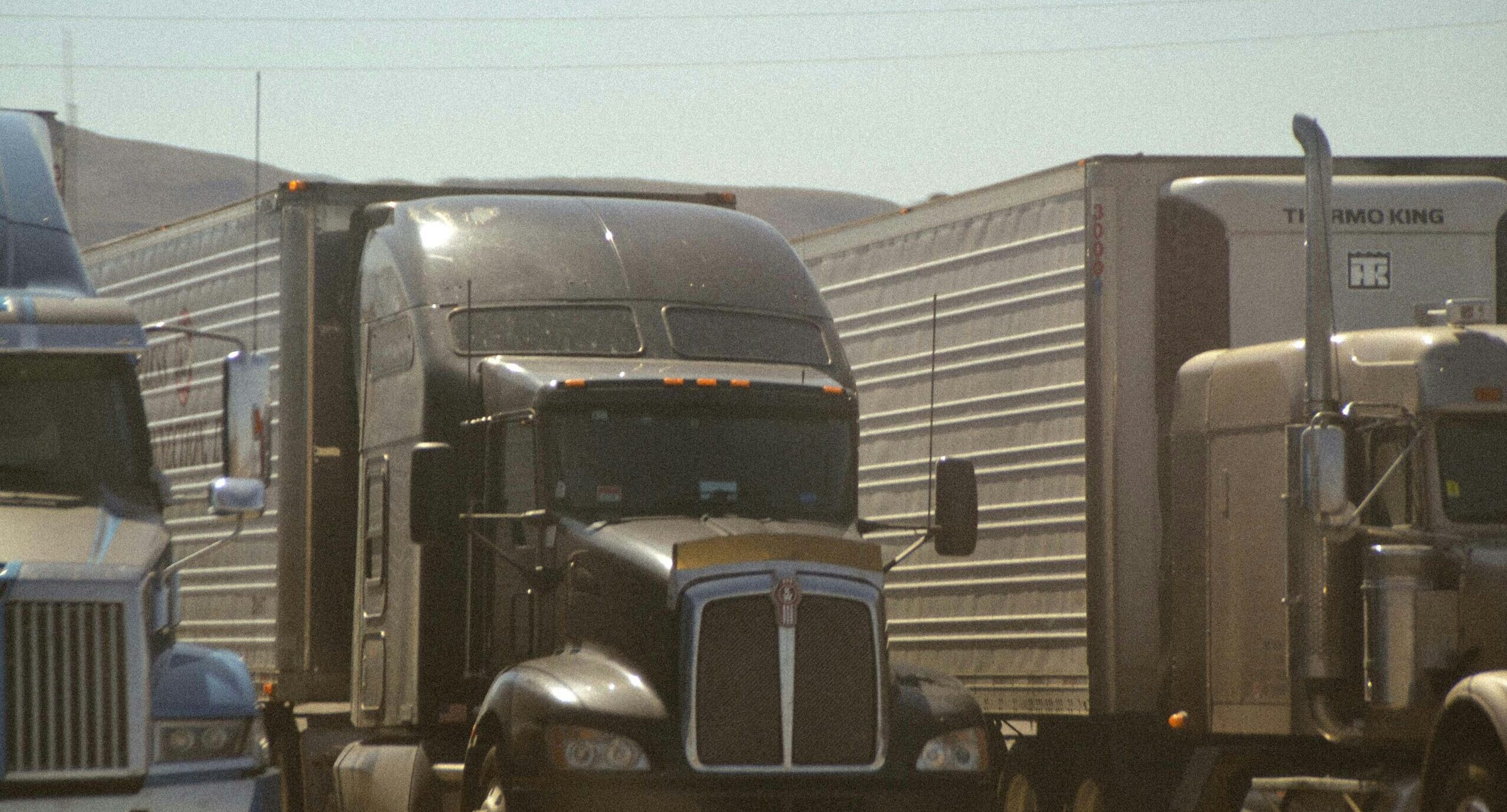
Truck stops and highway rest areas are among the most consistently documented public-facing environments associated with trafficking, particularly sex trafficking.
This is not because they are parking facilities in the traditional sense, but because they combine:
- Long-haul transportation
- Transient populations
- Isolation
- Extended dwell times
To be clear, this risk profile does not translate to most urban parking operations.
What this means for parking operators, vendors, and hotel partners
Urban and structured parking operators should not treat their facilities as analogs to truck stops. Doing so leads to inappropriate training and misplaced fear.
Technology vendors serving highway-adjacent facilities should understand that context matters. Risk indicators and response protocols must be environment-specific.
Hotels near truck stops or major freight corridors may face compounded risk. Coordination among hotel operations, valet services, and property security is more important here than in most environments.
The takeaway: Truck stops are a distinct category, and lessons from them should not be indiscriminately applied elsewhere.
Airports and transit hubs: visibility without control
Airports and major transit hubs appear more frequently in trafficking narratives, not as sites of exploitation, but as points of movement and visibility.
These environments matter because:
- Traffickers move people through them.
- Victims may have brief access to public view.
- Third parties occasionally notice concerning behavior.
Airport parking facilities are part of this ecosystem, but not its center.
The roles of operators, vendors, and hotel partners
Airport parking operators manage high-volume, fast-moving environments. Their role is not identification, but coordination, clear escalation paths, strong relationships with airport authorities, and defined reporting protocols.
Vendors supplying parking systems or mobility technology at airports should ensure:
- Incident reporting tools are accessible
- Data-sharing aligns with airport security frameworks
- Staff interfaces support documentation, not confrontation
Airport hotels and their valet or shuttle services are often closer to potential intervention points than garages are. Their responsibility lies in pattern recognition and internal escalation, not external enforcement.
The takeaway: Airports amplify visibility, not authority.
Parking near train stations and bus depots: urban transfer points
Parking facilities near train stations and bus depots are part of the broader urban mobility network. Like airport-adjacent parking, these environments are not destinations for trafficking, but they can occasionally intersect with trafficking-related movement due to their proximity to transit, anonymity, and high turnover.
When parking appears in these contexts, it is most often incidental and brief, connected to transfer, observation, or transition, rather than recruitment or exploitation.
For operators, the priority in these environments is not heightened suspicion but baseline safety fundamentals: visibility, lighting, clear sightlines, and well-defined reporting protocols. For vendors and property owners, coordination among parking operations, transit authorities, and on-site security is more important than specialized or fear-based training.
The takeaway mirrors other mobility-adjacent environments: These locations matter not because trafficking originates there, but because movement passes through them.
Parking lots as meeting or escape points: rare but real
In a small number of documented cases, parking lots or garages appear as:
- Meeting points
- Transfer locations
- Escape routes
These instances are uncommon and often linked to broader criminal activity rather than trafficking alone.
They matter not because they are frequent, but because they are misunderstood.
Operators should not train staff to expect these scenarios, but they should ensure:
- Lighting and visibility are adequate
- Staff know how to report concerning behavior
- Emergency protocols are clear and practiced
For vendors, design and technology decisions, camera placement, panic buttons, and communication tools can support response without framing the facility as dangerous.
Hotels without self-parking rely heavily on valet and curbside operations. These staff members may observe interactions more closely than garage attendants, making internal communication protocols essential.
The takeaway: Rare does not mean impossible, but it does mean contextual.
Why roles matter more than locations
One of the most persistent failures in trafficking awareness involves treating all environments and all staff the same.
They are not:
- Operators manage spaces.
- Vendors shape systems.
- Hotel partners manage people and interactions.
Each has a different lens, authority, and risk profile.
When responsibility is blurred, training becomes generic and ineffective. When responsibility is defined, response becomes calmer and safer.
The industry angle: occasional intersection, not constant threat
The parking and mobility industry does intersect with trafficking, but only at specific seams, and only under certain conditions.
Recognizing this point enables the industry to:
- Avoid fear-driven overreaction
- Prevent underreaction rooted in denial
- Design training and policy that matches reality
This is not about turning parking professionals into investigators. It is about acknowledging where our environments touch larger systems.
The takeaway
Parking facilities are not trafficking hubs. However, they are sometimes adjacent to trafficking pathways. For operators, vendors, and hotel partners alike, the goal is not vigilance; it is discernment.
Recognizing rare but real intersections enables the parking industry to act responsibly, protect staff, and support broader safety efforts, without inflating risk or spreading fear.
Katherine Beaty is the CEO and president of Beaty Solutions. She can be reached at [email protected].