



AI-powered surveillance systems transform parking lot security from passive monitoring into proactive crime prevention.
By Adam Haworth
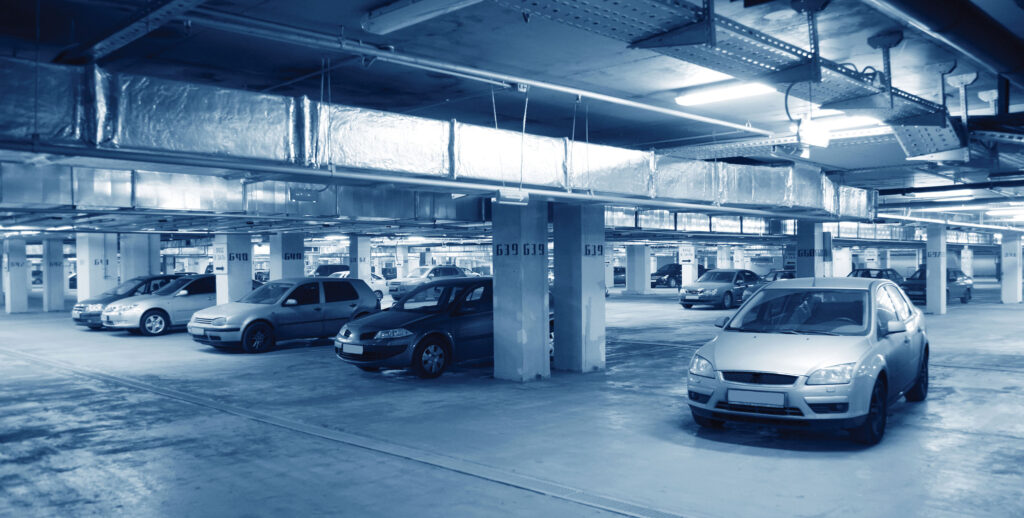
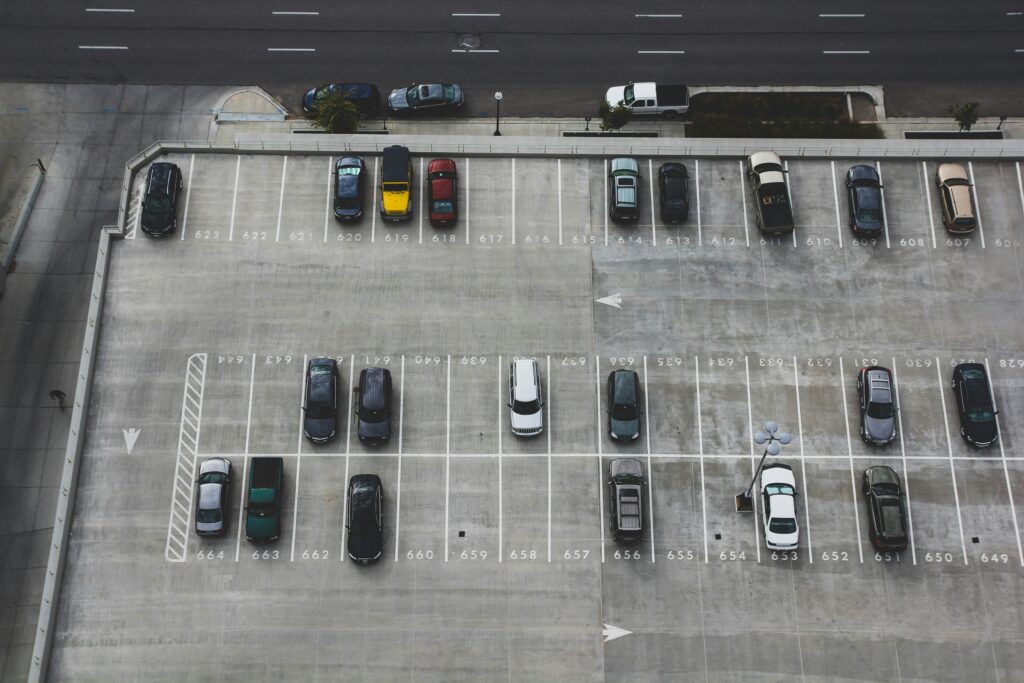
Parking lots cover a large portion of America’s land. Although vital to the infrastructure of shopping malls and retailers, parking lots can facilitate criminal activity due to their large surface area and complex layout. From thefts, hit-and-runs, and violent assaults, the lack of proactive safety and security for shoppers can be concerning.
The problem isn’t just the parking lots alone; crimes also occur between the buildings and parking lots, including sidewalks, alleys, streets, and highways. Property managers and owners have a responsibility in keeping areas safe and secure, but how can they prevent these issues and crimes?
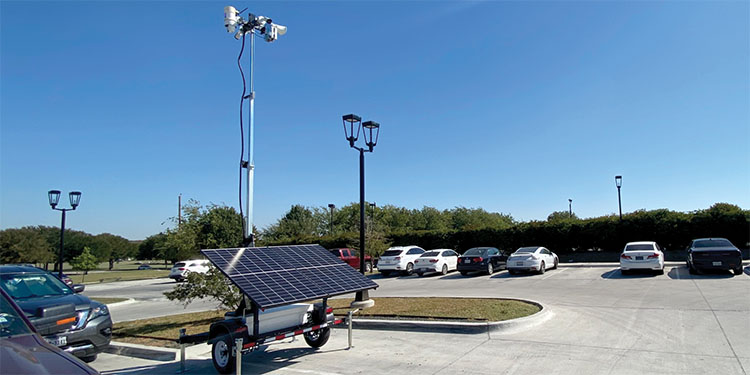
Although traditional mobile surveillance trailers act as visible deterrents, they rarely enable property owners to respond in real-time. Analytics powered by artificial intelligence (AI) are redefining parking lot security, transforming legacy surveillance trailers into active crime-prevention measures through the integration of internet-connected technology. The result is a growing need for smarter, proactive systems. AI-powered analytics are transforming how parking lots are monitored, turning static surveillance into intelligent, interconnected safety networks.
Crimes operators face
The most prevalent crime in parking lots involves theft of shopping bags and vehicles. In the case of large parking lots, criminals take advantage of the time the vehicles are left on their own and the distance between the vehicles and nearby buildings. The combination of poor security measures, low lighting, and inadequate security measures gives criminals a sense of anonymity and confidence to carry out their crimes.
Vehicle thefts and break-ins have severe consequences. Victims of theft frequently struggle to claim compensation due to insufficient evidence within the parking lot. Meanwhile, parking operators face higher insurance premiums, increased claims and payouts, and potential future lawsuits due to theft, vandalism, and accidents.
In addition to vehicle theft and break-ins, hit-and-run incidents also occur frequently in parking lots. Victims of such incidents typically must shoulder the burden of submitting insurance claims and repairing damage to their cars. Given the fast nature of a hit-and-run, such incidents threaten the safety of pedestrians as well as vehicle owners.
Unfortunately, vehicle theft and damage is not the worst thing to happen within a retailer’s parking lot. Robberies, assaults, and abductions also occur, due in part to poor lighting and the absence of security patrols and surveillance. These conditions create an ideal environment for criminals.
Criminals have an easier time tracking victims in large lots, targeting those who are alone or distracted within vehicles. The sense of isolation and vulnerability in parking lots highlights a definite need for comprehensive security measures to be implemented.
Small safety wins
Poor lighting, blind spots, and spacious layouts help criminals commit crimes in parking lots unseen and unrecorded. Improving security through both physical and technological measures can help prevent such crimes.
One of the simplest ways to deter parking lot crimes is to identify crime “hot spots” and equip them with strategically placed, adequate lighting. Eliminating “dark areas” and investing in day-to-night lighting can help deter crime.
Other physical approaches to deterring crime in parking lots involve the use of barriers to surround a facility and keeping lots clean to remove areas in which criminals can hide.
Although these physical deterrents can improve retail parking lot safety, proactive prevention provides the optimal level of protection in environments as dynamic as parking lots.
From passive monitoring to proactive prevention
Investing in mobile surveillance trailers to act as physical deterrents can be beneficial for two reasons. Their visibility can intimidate criminals and thereby reduce crime, while the footage they provide can be saved and distributed to support victims in any claim cases.
In addition, some mobile surveillance trailers include audio-deterrence to enable parking lot operators to warn criminals they are being recorded and AI analytics to detect unusual behavior through pattern recognition. In such cases, AI provides visibility where it’s never existed before, turning unmonitored areas into data-driven zones and delivering measurable improvements in safety and efficiency.
AI-driven mobile surveillance systems can use automated license plate recognition and pattern recognition to identify vehicles, track repeat offenders, and provide key evidence for investigations. This technology also supports smarter parking management, reducing congestion and improving the customer experience.
If operators invest in mobile surveillance systems powered by AI analytics, the system analyzes vehicle and pedestrian activity, detects loitering, and provides real-time alerts to operators and law enforcement. In effect, every moment captured adds intelligence to the system, making it more effective at preventing future incidents. With traditional mobile surveillance trailers limited by image quality, storage, and manual review, the case for AI-integrated, cloud-connected systems has never been stronger.
Privacy, compliance, and trust
Retail parking lot safety requires more than simply crime prevention: Maintaining public trust is critical. This requires ensuring that all AI-enabled systems are transparent, ethically designed, and compliant with Section 889 of the National Defense Authorization Act of 2019, which prohibits U.S. federal agencies and their contractors from using telecommunications and video surveillance equipment from certain Chinese manufacturers that are considered national security risks. Together, these measures prioritize privacy while enhancing public safety.
Technology must always serve the public first. When used responsibly, AI protects privacy and doesn’t ever compromise it.
AI-driven security marks a major step forward for parking lot safety. For operators, this shift isn’t just about preventing crime; it’s about building trust, enhancing operational insight, and future-proofing facilities.
Customers will begin to avoid parking lots with a bad reputation for frequent accidents. This leads to potential news coverage and customers using a more trusted lot. Competitors with safer lots will become the likely choice for customers and victims, increasing the risk of reputational costs. Once trust is lost, it’s difficult to rebuild, and if nothing is put in place to prevent crimes, customers will not return.
ADAM HAWORTH is the president of LotGuard. He can be reached at [email protected].