



Strategic parking solutions transform cruise terminal operations into competitive guest experience advantages.
By Thad Caraway
Cruise terminals face a logistical challenge that most parking operations never encounter: managing the arrival and departure of 6,000 passengers within a four- to five-hour window on ship days. Although discussions of cruise line logistics typically focus on what happens at sea, the land-based parking operations can make or break the passenger experience before travelers even board the ship.
Parking needs for cruise lines differ significantly from those of most parking operations. Cruise line parking lots experience high-volume, high-intensity windows of activity on ship days, and the turnover between passengers disembarking and new travelers setting sail is rapid. Beyond this, cruise lines must navigate the unique challenges of pricing and security concerns that come with long-term parking.
The stakes are high: Parking represents both the first and last impression passengers have of their cruise experience. Fortunately, several established best practices can optimize parking operations at cruise ship terminals and provide a positive customer experience that aligns with the premium service passengers expect from their cruise journey.
Managing high-volume traffic flow
Cruise ports regularly navigate high-stakes logistics as thousands of people disembark and board ships daily. These terminals must have proper infrastructure and operations in place to support this transition quickly, safely, and efficiently.
To support this influx of traffic, ports must optimize their operations strategically. The terminal should ensure parking infrastructure is centrally located and provide shuttle service to and from the ship to support guests. Operations teams must gain a solid understanding of the number of vehicles their parking infrastructure needs to support and align the number of parking spaces accordingly.
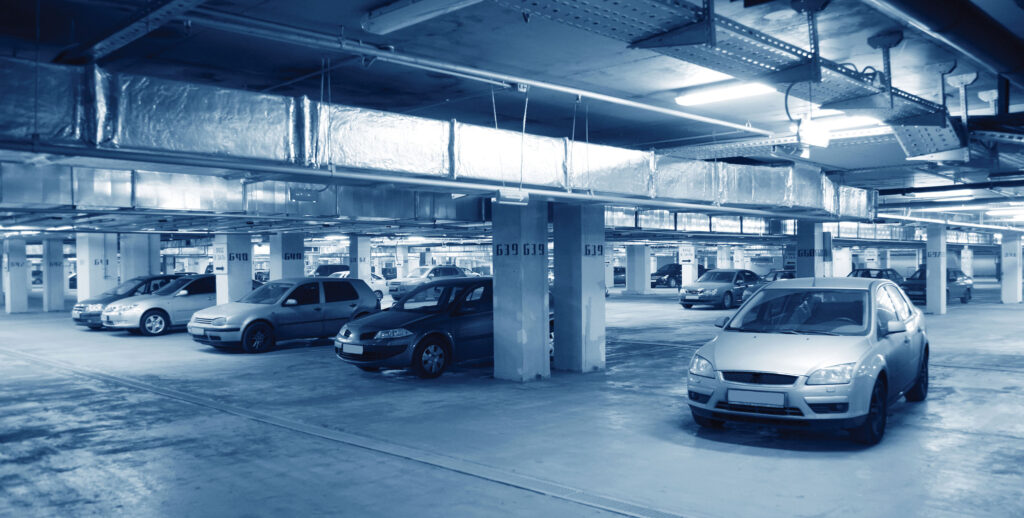
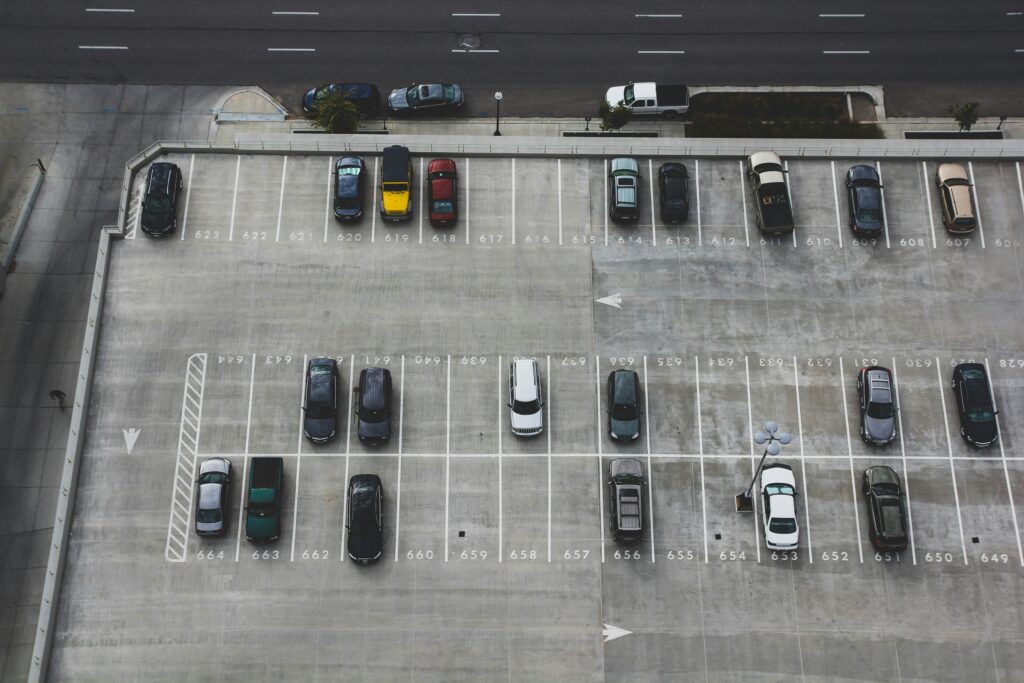
Multiple entries and exits within the parking garage prevent traffic backups and handle concentrated traffic flow more effectively. Standard parking technology, such as license plate recognition (LPR) and gate systems, can further optimize operations and keep vehicles moving during busy embarkation and disembarkation windows.
Garage layout and design play a crucial role in setting cruise terminals up for operational success. The infrastructure must accommodate not only the volume of vehicles but also the unique flow patterns of cruise passengers.
Port of Miami: a model for excellence
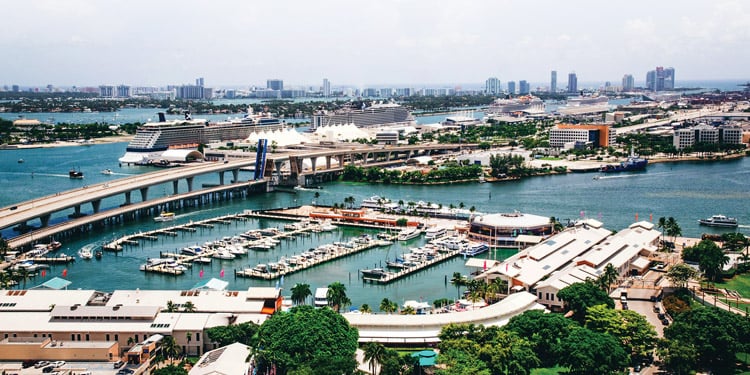
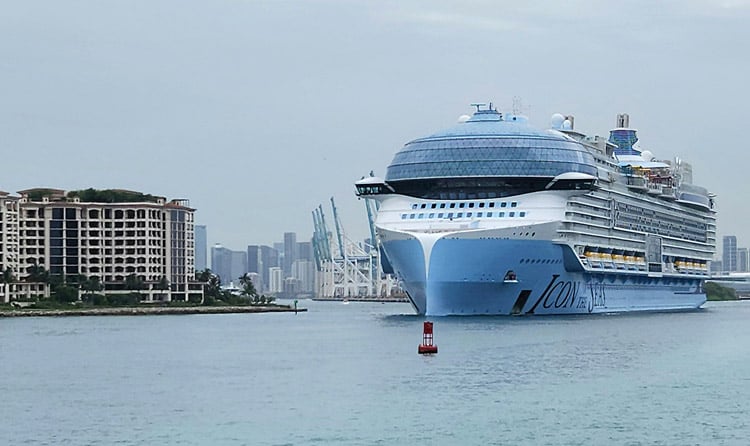
The new state-of-the-art terminal at the Port of Miami, in Miami, Florida, exemplifies innovative design with sustainability at the forefront. It stands out as the first cruise ship terminal worldwide to achieve the prestigious Gold New Construction v4 certification as part of the Leadership in Energy and Environmental Design (LEED) rating system developed by the U.S. Green Building Council.
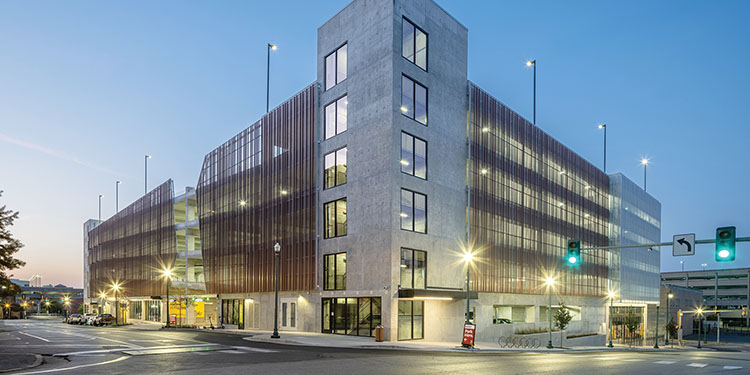
The facility features a multi-story parking garage accommodating more than 800 vehicles and connected to the terminal via a walkway on the second level. Three separate entries and exits support smooth traffic flow for all guests. This parking infrastructure was designed to meet the unique needs of port operations while ensuring a seamless travel experience for passengers.
Providing advanced security measures
Security remains a critical consideration at cruise ports, as passengers leave their vehicles for extended periods. Passengers must feel confident their vehicles will remain safe and secure until their return.
Various methods can address security requirements depending on garage needs. For some operations, restricting in-and-out access once ships leave port provides adequate security. For facilities shared with other businesses or cruise lines, 24/7 on-site surveillance prevents theft and provides a safe environment for parkers.
Security technology and gated access to parking garages significantly enhance safety and protection. These systems work in conjunction with operational procedures to create comprehensive security coverage.
Implementing reservation technology
Technology plays a crucial role in optimizing the parking experience for cruise terminal operations. Parking should never be a source of stress when passengers are about to embark on their vacation adventure.
One approach to alleviating parking concerns involves introducing a reservation system designed to integrate parking into the cruise checkout experience. The system can tie parking reservations to specific ship itineraries and integrate with LPR technology for seamless garage access.
This technology supports a frictionless customer experience and leverages existing solutions to enhance guest support throughout their journey.
Prioritizing the guest experience
One reason cruises are so popular is the exceptional guest experience they provide. From meals to activities to excursions, cruise lines make travel effortless. Once onboard, everything is handled for passengers, which appeals to travelers seeking a low-stress vacation. This seamless experience should extend to parking operations.
Clean, friendly, and efficient operations should characterize every guest’s parking experience. Parking represents both the first and last impression individuals have of their cruise journey, making it essential that the experience aligns with and positively reflects the cruise line passengers have selected.
Regular maintenance of parking facilities before, during, and after cruise departures ensures consistent quality. Positive but minimal interactions with parking staff can significantly enhance the overall guest experience and reinforce the premium service expectations cruise passengers have.
Strategic integration of parking operations
Cruise lines must ensure that parking operations receive strategic attention rather than being treated as an operational afterthought. Parking represents a vital element that can significantly affect guest satisfaction and overall cruise experience success.
Not all terminals face identical challenges, making it important to create customized parking solutions that align with each location’s unique operational requirements and passenger demographics.
With appropriate systems and technology in place, parking operations can enhance overall terminal efficiency and contribute meaningfully to guest satisfaction before passengers step aboard the ship. Strategic parking management transforms a potential pain point into a competitive advantage that reinforces the cruise line’s commitment to exceptional service.
THAD CARAWAY is the vice president of operations, South Florida, for Universal Parking. He can be reached at [email protected].