


By adopting gateless parking and mobile-first technology, Omaha is transforming operations and redefining the customer experience.
By Jacob Larson
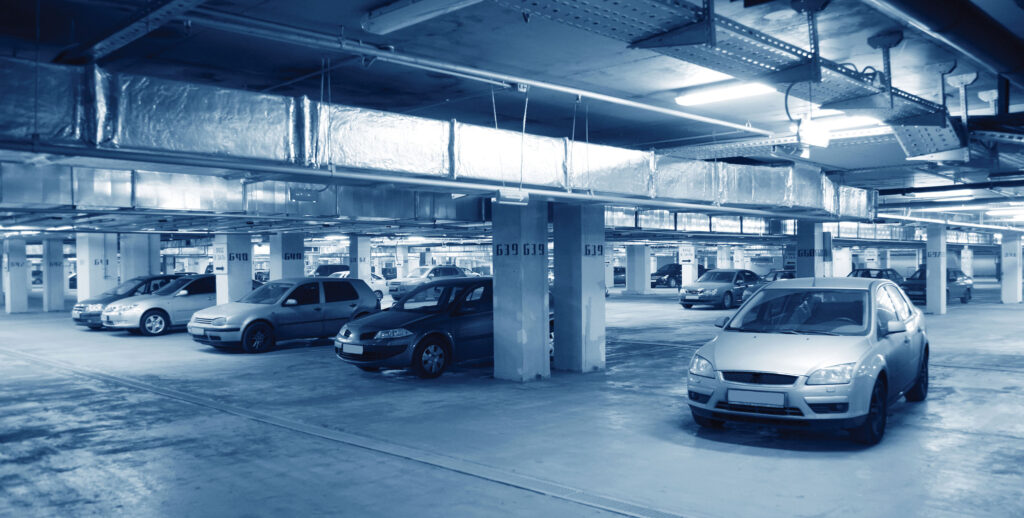
Getting stuck inside a parking facility is never on anyone’s bucket list. For drivers, it’s an unexpected inconvenience that turns a routine outing into a source of stress. When a payment machine fails and staff must resolve the issue manually, frustration builds, for customers and staff alike, especially during peak hours. Long lines delay operations and damage perceptions of the facility’s reliability. Each negative experience increases the likelihood that a customer won’t return, opting instead for a more seamless alternative.
In today’s competitive landscape, maintaining operational uptime and investing in resilient, user-friendly systems is essential to ensuring customer satisfaction and loyalty.
Why Omaha chose to ditch the gates
Aging equipment and slow vendor response times created an opportunity — not a setback — for the City of Omaha, Nebraska, to take a proactive approach to modernizing our parking access and revenue control system (PARCS). Rather than continue investing in outdated technology, we chose to modernize ahead of schedule.
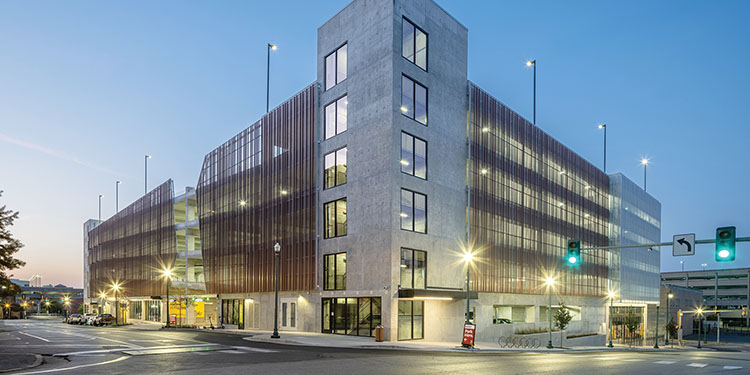
This meant saying goodbye to paper tickets and proximity cards and embracing a seamless, technology-forward experience centered on mobile app integration and license plate recognition (LPR). Beginning in fall 2023, Omaha converted to gateless operations 9 of its 13 parking facilities, totaling 4,352 spaces.
Historically, the Park Omaha app — a white-labeled mobile application — was limited to on-street transactions. With the transition to our new PARCS system, we extended app functionality to include off-street sessions as well. This move streamlined user access across all parking environments and reinforced our commitment to a consistent, digital-first customer experience.
We also enhanced our monthly parking portal, enabling users to manage license plates easily. For corporate accounts, the portal provides tools to control employee access, adding and revoking plates as needed. If a parker is driving a rental or borrowed vehicle, they can log in the night before and update their license plate to ensure accurate recognition and avoid an unnecessary invoice.
Smart cameras, smarter operations
Since implementing our gateless system, we’ve seen a sharp reduction in off-hour service calls and instances of parkers getting stuck in facilities. Customer satisfaction has improved, and operational efficiency has increased, validating our decision to go gateless.
Has everything gone perfectly? No. Like any major transition, we’ve encountered learning curves and edge cases. But we remain confident that gateless parking is the future.
Environmental variables, such as direct sunlight or indoor glare, can affect camera performance. That’s where edge-based LPR cameras become especially promising. These next-generation cameras feature adaptive settings that respond to environmental conditions in real time. As artificial intelligence models continue to learn from real-world data, we expect read rates and accuracy to steadily improve.
Cameras that adjust to lighting conditions without manual intervention will define the next wave of scalable, reliable parking technology.
Reinventing enforcement through better invoicing
Omaha has implemented a system to invoice daily customers who exit without paying. Parkers receive a 15-minute grace period to submit payment, striking a balance between flexibility and enforcement.
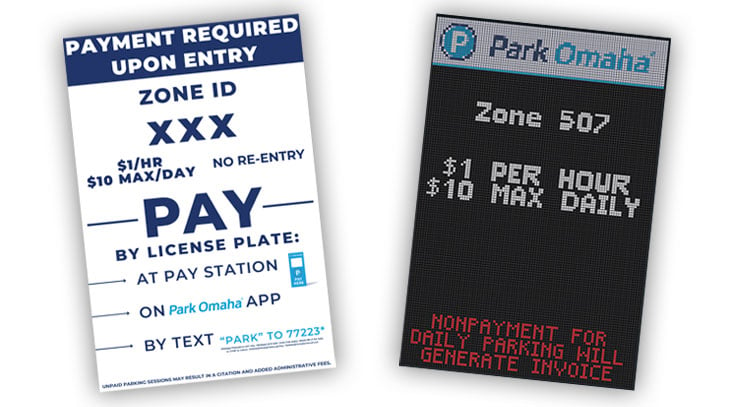
With gateless systems, communication is critical. Without physical gates prompting action, users must be reminded multiple times to pay. Clear, consistent signage improves compliance and reduces confusion.
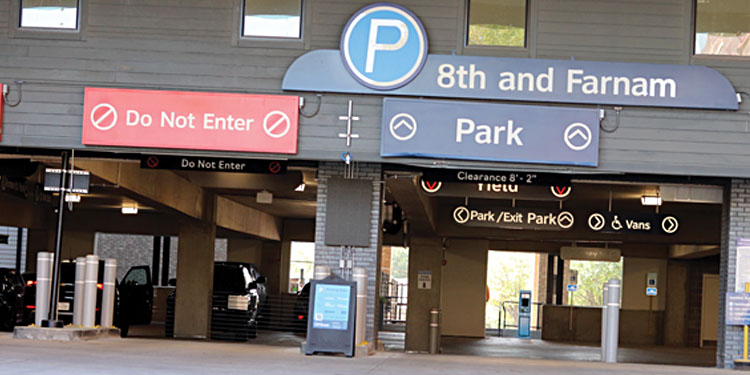
Digital signage at entry points and throughout the facility clearly displays rates and payment options. Digital exit signs also indicate whether a vehicle has paid before it exits the facility.
Accurate data matching is essential. Misread or unmatched plates can result in hundreds of unresolved invoices, undermining system credibility and burdening staff with retroactive enforcement when flagged vehicles return.
To address missed payments, we’ve found that placing notices on unpaid vehicles is effective. These include session details and payment instructions — often linked directly to LPR records — offering parkers a fast, convenient way to resolve missed payments and reducing the need for escalated enforcement.
Reliable data, transparent communication, and proactive engagement are the cornerstones of sustainable, customer-friendly, frictionless parking.
Building the next phase of frictionless
Nearly two years into our new system, what began as an idea has become reality, and we continue refining our processes and technology.
Roles have evolved: Cashiers now focus on correcting LPR plate data and reviewing open sessions. Front-office staff audit daily invoices to ensure accurate data is used in the lookup process.
We’re actively evaluating new LPR camera solutions and reviewing existing ones to improve read rates and accuracy. Looking ahead, we’re working with mobile payment providers to integrate LPR reads into their apps, which will let parkers pay without guessing when they entered the facility. We’re also exploring autopay options to offer a truly frictionless parking experience.
Leading by learning
Omaha’s gateless journey shows that innovation doesn’t have to wait for perfect conditions. It can begin with a well-timed leap. By prioritizing customer experience, operational uptime, and adaptive technology, we’ve laid the groundwork for a more intuitive, efficient parking future. As the system continues to evolve, our focus remains on removing barriers — both literal and figurative — for the people we serve.
JACOB LARSON is an applications analyst for the Parking and Mobility Division of the City of Omaha, Nebraska. He can be reached at [email protected].