

By Brianna McKinney
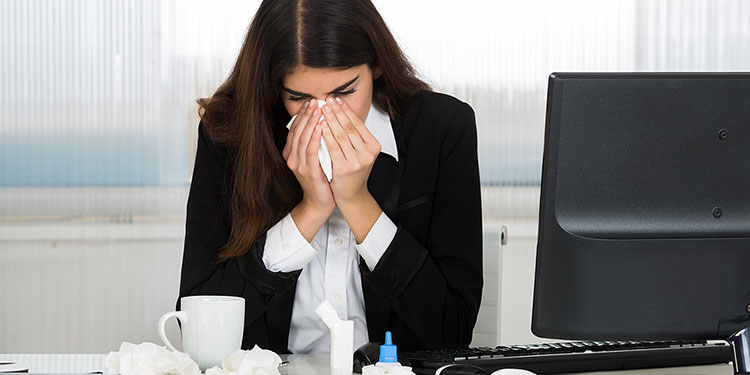
I spent more than a decade building and running a fast-growing agency, and through all of it, I almost never got sick. People would comment on it, and I’d shrug in a way that implied I had some kind of steel immune system. The truth looked different. I just didn’t see it clearly until years later, when I changed my work pace and my relationship to stress wasn’t as tightly wound.
During my agency years, the only time I reliably got sick was on vacation. I’d leave town, settle into a calmer rhythm, and then a cold or strep throat or the like would show up within 24 to 48 hours. At the time, it felt like bad timing. Now I understand exactly why it happened and why the pattern is so common among leaders who carry a lot of responsibility.
It’s worth exploring the kind of “security” many leaders assume they have when they never get sick, and why that assumption deserves a closer look.
Why some leaders rarely get sick
Some people truly have hardy immune systems. That’s real. But I’ve worked with enough executives, founders, and high-pressure professionals to see a different dynamic just as often: They aren’t getting sick because their bodies don’t have room to mount a response.
A normal immune response requires energy. Fever, mucus production, fatigue, inflammation — none of that is random. It takes resources and downtime. When someone spends months or years in a high-output mode, their body may delay that process because it senses there’s no margin to handle it. It isn’t a conscious choice. It’s a physiological one.
In the leadership world, where back-to-back demands are normalized and recovery is usually postponed, the immune system often goes quiet. Quiet doesn’t always mean strong. Sometimes it simply means overloaded.
If you’re someone who hasn’t been sick in a long time, this might sound familiar.
Why illness often shows up when you finally pause
This is the part many people don’t connect: The immune system often waits for an opening. Holidays, long weekends, slower months like January, and actual vacations often provide that opening.
Stress hormones begin to settle. Sleep improves a little. Your nervous system softens its grip just enough. And in that small window, your body may finally do something it hasn’t had the capacity to do all year — respond to whatever it’s been putting off.
This is why many leaders come down with a cold as soon as they step away from their normal routine. It’s not that they “caught something on the plane.” It’s that they finally slowed down.
I lived this pattern for years. I see it regularly in my practice now.
The security illusion
When a leader says, “I never get sick,” it can create a sense of invincibility. The irony is that the pattern sometimes reflects the opposite of stability. A body that isn’t reacting to anything isn’t always a body that’s thriving. Sometimes it’s one that’s been in a long-term state of tension, running every system at the minimum required level to keep going.
In other words, the absence of illness can feel like security, but it may not tell the whole story.
This doesn’t mean sickness is something to chase. It simply means that “never getting sick” is not always the indicator of robust health that we assume it is.
What to do if you rarely get sick?
Here are a few practical steps leaders can take that don’t involve hunting down germs or shaking hands with someone who’s actively coughing:
1. Check your baseline stress load.
If you’re constantly in motion, your body may be rationing its resources. This doesn’t require dramatic changes. Even small adjustments — better boundaries around work hours, actual lunch breaks, shorter evenings on devices — can shift your physiology enough to matter.
2. Look at your sleep patterns.
Leaders often pride themselves on getting by with less. Over time, the body adapts by suppressing responses it doesn’t have the energy for. More sleep doesn’t guarantee you’ll get sick, but it restores bandwidth your immune system may be missing.
3. Pay attention to how you transition into rest.
If you notice you only get sick when you finally slow down, treat that pattern as data. It tells you something about the pace you maintain the rest of the year.
4. Consider your nervous system, not just your immune system.
Chronic overdrive affects everything from digestion to hormone regulation to deep repair. Simple practices — walking without your phone, eating without rushing, grounding your mornings before the day begins — can change the way your body allocates resources.
5. Build capacity instead of waiting for the crash.
Leaders often push until a crash forces them to rest. Shifting to regular, predictable recovery rhythms reduces the likelihood that your body has to wait for a holiday or vacation to catch your attention.
6. Notice the small signals.
Your body usually whispers before it shouts. If you’re someone who doesn’t get sick, the whispers may be the only messages you get. Pay attention to energy dips, irritability, focus issues, digestive changes, or sleep disturbances — those often come long before actual illness.
A healthier kind of security
There is a kind of security that comes from genuinely strong health: balanced stress levels, responsive immunity, steady energy, and a body that can shift gears without falling apart. There is another kind that comes from running so fast, for so long, that your system stops sending signals.
As we move into a new year, leaders have an opportunity to look beyond the surface. If you haven’t been sick in a while, that may feel like good news, and it might be. But if you’ve been operating at full speed for longer than you can remember, it may be worth asking whether your body has simply gone quiet because it hasn’t had the room to do anything else.
You don’t need to chase illness to find out. You just need to create enough space for your body to show you how it’s actually doing.
Ask me
Have a question about building a health strategy that matches your leadership goals? Send it to [email protected]. Selected questions will be featured in future columns.
Brianna McKinney, FNLP, NBC-HWC, is a former marketing and PR entrepreneur turned double-board-certified Functional Nutrition & Lifestyle Practitioner and Health and Wellness Coach. She partners with entrepreneurs, executives, and business owners to align their health investments with their professional and personal ambitions. She can be reached at www.mckinneyexecutivehealth.com.