
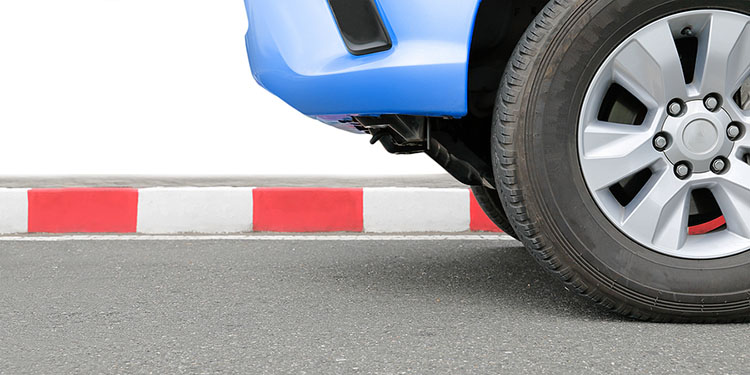
Understanding two parking personalities — optimists who arrive first and pessimists who plan ahead — helps municipalities and businesses reduce friction and attract customers.
By Beth Mercer
Let’s go get tacos,” I suggested to my friend Mary. We knew a great spot in an up-and-coming part of Buffalo, New York. Mary immediately began to question the parking situation, but the only thing on my mind was a tasty taco. Mary and I offer clear examples of the two different types of parkers.
Parking Optimists and Pessimists
I’m the destination-driven parker, or the “Parking Optimist.” This type of parker thinks about the destination first and figures out the parking details later, only when arriving at the destination. People like me believe parking may not always be convenient, but it will work out. We often drive to the destination, take a few laps around the block, mutter in frustration about the lack of open spots, eventually find one down the street, and begrudgingly deal with walking a few minutes. Then we do it all over again next time tacos are on our minds. Parking always works out, but it’s an afterthought.
Mary is the second type, the parking-driven parker, otherwise known as the “Parking Pessimist.” People like Mary plan their outings, experiences, fun, and eating around the availability, or lack thereof, of parking near their destination. The Parking Pessimist cannot fathom going anywhere if parking is not readily available directly in front of the destination. Parking comes first, tacos second.
Mary would insist that we don’t go to the taco spot, because the parking is horrible and it’s impossible for her to find a spot. In reality, finding a spot only takes a few minutes. This perception deters people like Mary from traveling to areas where parking is limited. Perhaps this behavior is a condition of growing up in the suburbs, where parking is plentiful. When you’re accustomed to finding parking easily, the thought of fighting for street parking can cause unbearable stress.
If you find yourself relating to Mary, don’t fret. You’re not alone — or wrong. Your fear of not having a good parking spot is valid; you probably just live less frantically than Parking Optimists. With resources like ridesharing, taxis, biking, walking, scooters, carpooling, and public transportation, Parking Pessimists can still enjoy a night out without having to get in the driver’s seat.
Serving both types of parkers
If either scenario sounds familiar, you’ve already experienced why understanding parking behavior matters more than it seems. These aren’t just personality quirks; they’re real patterns that influence when and where people choose to spend their time and money.
That’s why municipalities, business districts, and private property owners should consider both types of parkers. When people avoid destinations because parking feels stressful or unclear, that’s lost foot traffic, lost revenue, and a missed chance to build a vibrant community space. Whether someone is a Parking Optimist willing to circle the block or a Parking Pessimist who will bail at the first sign of “Lot Full,” both types need to feel considered in how a city or private destination designs and communicates its parking experience.
Here’s how municipalities and business owners can create parking environments that serve both parkers and keep people coming back:
• Make wayfinding smart and human-friendly: Clear signage, large letters, and obvious visual cues reduce that “where do I even go?” moment.
• Show the options before people arrive: Parking maps and rate information that are easy to find online or onsite give Pessimists confidence and help Optimists make better choices before circling out of habit.
• Reward flexible transportation choices: Incentives for rideshare, transit, biking, or carpooling — “Show your Uber receipt, get a free drink!” — free up prime parking and make arriving feel fun, not stressful.
• Use pricing strategically: Tiered rates that make closer spots premium and farther spots cheaper help spread out demand and reduce the endless circling near front doors.
Private owners like retail centers, entertainment venues, and restaurant districts have just as much to gain. A thoughtful parking experience can turn a “might go” into a “let’s go,” especially when customers feel like their time has been respected before they even walk through the door. For destinations competing for visitors, parking isn’t just a utility. Make it part of the customer journey:
• Use parking as a hospitality touchpoint. Branded signage, friendly messaging, or wayfinding that matches the venue aesthetic makes arrival feel like part of the experience, not an obstacle.
• Eliminate “Is it worth it?” hesitation. A clear message like “Parking available behind the building” or “First hour free with purchase” can stop potential customers from abandoning a visit before they leave home.
• Build loyalty through small conveniences. Parking validation, clearly marked pickup zones, or easy drop-off spots tell customers, “We value your time,” which is a powerful brand impression.
• Promote parking perks in marketing, not fine print. Restaurants, shops, and venues can highlight parking info in promos and social posts to attract customers who avoid uncertainty.
• Create a smoother hand-off from car to door. A well-lit, clearly marked walking path or a welcoming entry sign can turn what is normally a stressful moment into a confident stride toward the front door.
Turning stress into momentum
Creating a great parking experience isn’t about finding the perfect spot every time: It’s about reducing friction. When people know what to expect, feel considered in the design, and aren’t left guessing where to go or how much it will cost, they’re more likely to explore, spend time (and money), and return.
Whether you’re a planner like Mary or a “park-now, think-later” taco-chaser like me, one thing is true: Parking sets the tone for the experience that comes after it. A few extra minutes of clarity, better communication, or a small perk can turn stress into momentum.
Cities and businesses spend time curating menus, storefronts, branding, and amenities. Parking deserves the same level of intention. After all, your experience doesn’t start at the door; it starts the moment you decide whether it’s worth the hassle to go.
So, which type of parker are you? The Parking Pessimist who scouts the spot before saying yes to tacos, or the Parking Optimist who assumes it will work out because, well, tacos are calling!
Either way, go enjoy that taco. Happy parking.
BETH MERCER is a planner for parking, operations, and technlogy for Walker Consultants. She can be reached at [email protected].