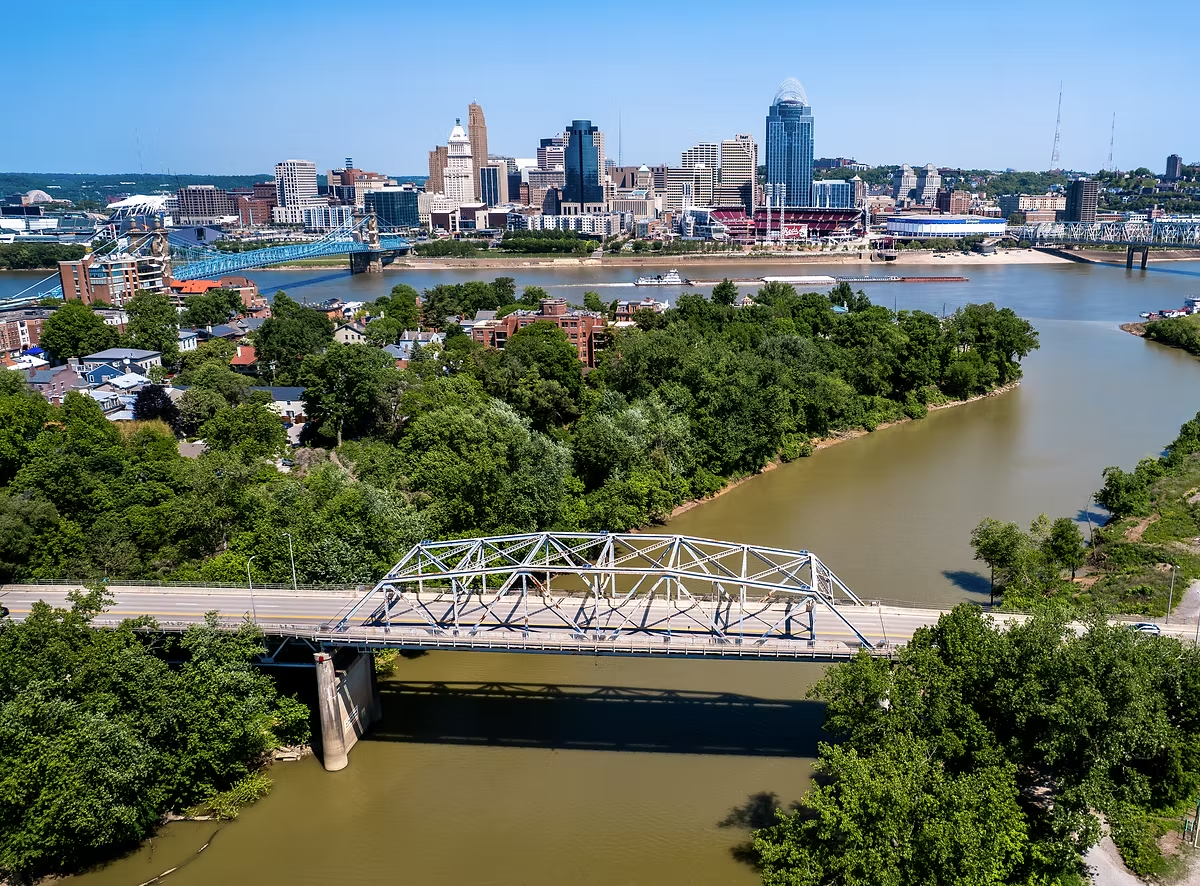


Bordered by the Ohio River to the north and the Licking River to the east, Covington, Kentucky, relies on multiple bridges to facilitate transportation and maintain commerce. With two key bridges undergoing major renovations, Covington businesses face the unpleasant prospect of economic hardship as normal traffic patterns are disrupted. In response, the City of Covington is trying to alleviate those economic stressors by partnering with a local parking app that connects travelers to local businesses.
Bridges are key
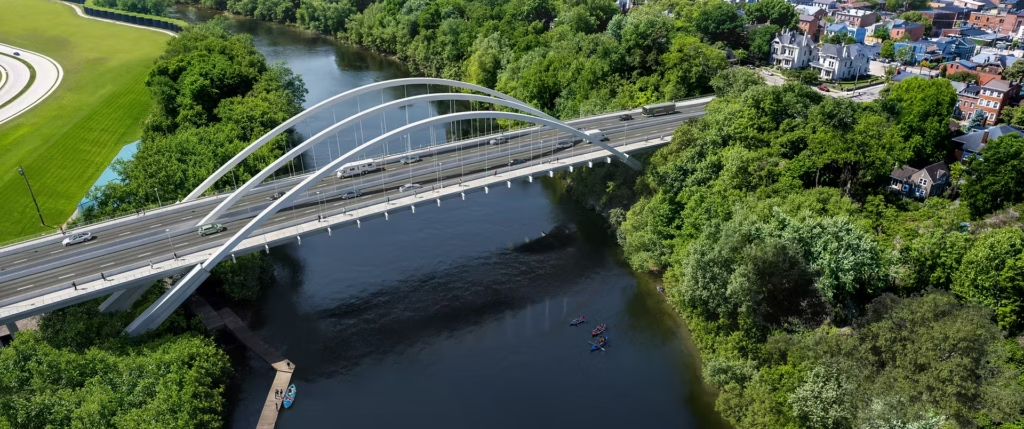
Covington residents and businesses currently must contend with two major bridge projects. The bigger of the two is the $3.6 billion upgrade of the Brent Spence Bridge, which conveys interstates 75 and 71 across the Ohio River. Along with refurbishing the existing bridge, the project will construct a new companion bridge beside the current structure and make roadway improvements along an 8-mile-long corridor. The second project involves the replacement of the existing KY 8 Licking River Bridge, which connects Covington to its neighbor to the east, Newport, Kentucky.
Designed to carry 80,000 to 100,000 vehicles per day, the aging Brent Spence Bridge now carries an estimated 160,000 vehicles per day, an amount that is expected to increase to 233,000 per day in 10 years, according to the project description on the Permitting Dashboard of Federal Infrastructure Projects. The bridge will remain open during construction, with periodic lane closures and ramp restrictions. Meanwhile, the KY 8 Licking River Bridge, also known as the 4th Street Bridge, is closed to traffic and not expected to reopen until summer 2028.
Bridges mean business
With both bridges under construction, the city needed alternative methods for supporting the economic ecosystem of Covington and Cincinnati.
Covington has experienced the deleterious effects of bridge closures before, said Kyle Snyder, the executive director of the Covington Motor Vehicle Parking Authority. The Brent Spence Bridge “was built in the 1860s,” Snyder said. “It’s an old historic bridge, and it’s got a lot of maintenance and upkeep. So, it’s closed from time to time,” he said. “We had one stint where it was closed for maybe nine months. That’s when people were feeling that impact. They’re just bracing for the same thing with our Licking River Bridge to Newport.”
Richard Dickmann, the founder of Smoke Justis, a smoked-meat and bourbon lounge in Covington, is acutely aware of the importance of area bridges to his business. His lounge is located just to south of the southern terminus of the John A. Roebling Suspension Bridge, a span built in 1867 linking Covington to its neighbor to the north, Cincinnati. “We are constantly battling bridge closures,” Dickmann said. Such closures affect his business “because people just don’t know how to get there, and they’ll just give up,” he said. “If every bridge were to disappear…we would be isolated.”
‘Bridging the Gap’
While the construction on both bridges is ongoing, Covington is conducting a campaign, dubbed Bridging the Gap, to help residents and businesses stay informed about the progress of the projects. As part of this effort, the city is partnering with the Covington-based tech company Proximity, which offers a parking payment app that helps drivers connect to businesses in the area.
By including advertisements for local businesses as part of its app, Proximity is meeting consumers where they are and helping boost economic vitality, said Grant Murray, the company’s CEO. Besides facilitating parking payments, the app informs users of discounts or other incentives available at nearby businesses. “We’re able to target the local restaurant or the local coffee shop to consumers that are literally right outside their door,” Murray said.
The app is available in Covington as well as Cincinnati, enabling area users to take full advantage of its benefits. “We use the same app, so when you cross the river, you don’t have to download a different app,” Snyder said.
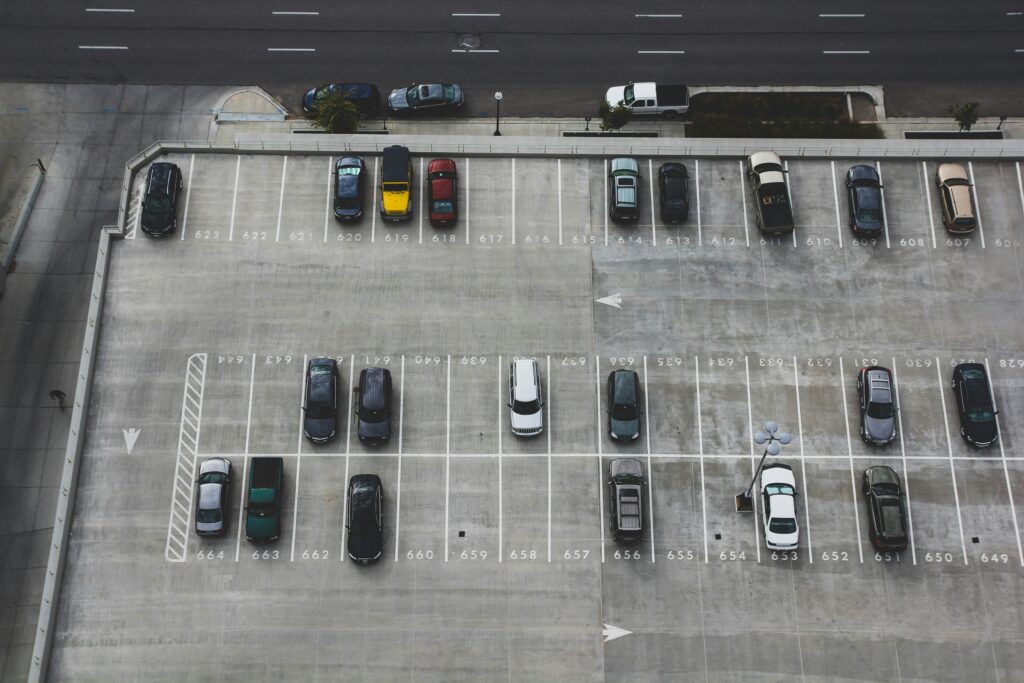
The goal of this program is to ease the perceived pain of parking, Snyder said. He hopes the partnership between the city, Proximity, and Covington businesses will boost convenience as the construction of two main arterials disrupts daily commutes. “Our goal with payment is to meet folks where they are,” Snyder said. Other payment options include apps from Passport and IPS Group as well as parking meters and kiosks.
A diverse area of small businesses with very few chain retailers, Covington has a lot to offer, Dickmann said. However, people need the right tools to learn about what’s available, he noted. As a user of Proximity, it gives him insight into what’s happening in the area.
“I think it was a very clever way to get engaged with the community from their phone and make them more knowledgeable about the surrounding businesses,” Dickmann said. “I think that’s only going to get better.”
Larson McDonagh is a freelance environmental journalist based in Shoreline, Washington. They can be reached at [email protected].